

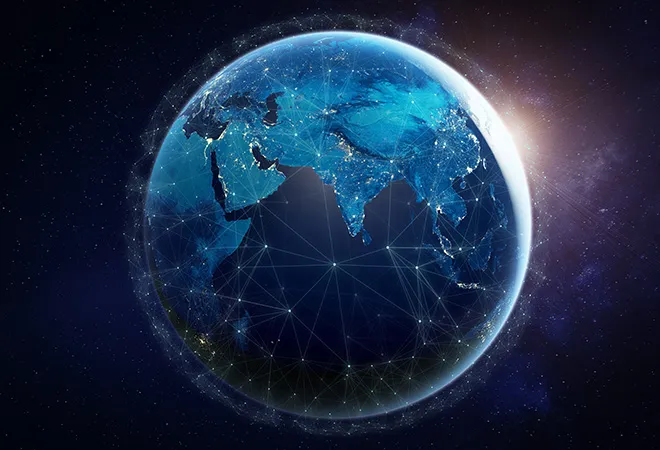
You don’t need to watch political debates or follow international summits to feel the effects of global politics. Sometimes, the first sign of a major international development is a higher grocery bill, a delayed delivery, or an unexpected change in travel plans.
Consider something as ordinary as buying a new laptop. Its components may come from several countries, its assembly may happen somewhere else, and its final price can depend on trade agreements, shipping costs, currency values, and government policies. A change in any one of those areas can eventually affect what customers pay.
That is what makes global politics so interesting. Decisions that seem distant or complicated often have surprisingly ordinary consequences.
From employment and education to travel and small business opportunities, international relationships influence more of daily life than many people realize. Understanding a few of those connections can help people make smarter decisions without turning their morning coffee into a three-hour political research session.
Your Grocery Bill Has an International Backstory
A supermarket is practically a miniature world economy.
Coffee may come from Brazil or Colombia. Bananas might arrive from Ecuador. Seafood, rice, spices, and countless packaged products travel across international borders before reaching store shelves.
The prices customers see depend on much more than the cost of growing or manufacturing those products.
Shipping expenses, tariffs, currency movements, energy prices, and supply disruptions can all affect the final bill.
The World Trade Organization reported that world merchandise trade volume grew by approximately 2.9% in 2024. That figure reflects the enormous movement of goods between countries, much of which eventually reaches ordinary consumers.
When governments change trade rules, businesses may need to find new suppliers, adjust prices, or absorb additional costs.
For consumers, the practical lesson is simple: a sudden price increase does not always begin at the store.
What can you do? Pay attention to where frequently purchased products come from. Compare prices across brands, consider locally produced alternatives when they offer better value, and avoid assuming that every price increase has the same cause.
Understanding the supply chain will not make groceries cheaper overnight, but it can help explain why prices change.
Your Job May Depend on Decisions Made Thousands of Miles Away
International politics can also influence employment, even for people who work entirely within their home country.
Imagine a small manufacturing company that supplies parts to a larger international business. If a major trading partner introduces new import restrictions, the larger company may reduce orders or change suppliers.
That decision can eventually affect the smaller company’s production schedules, hiring plans, and job security.
Similar connections exist in agriculture, transportation, tourism, technology, and professional services.
According to the International Labour Organization, global unemployment was approximately 5% in 2024. Although that figure provides a broad picture of employment conditions, it does not capture the different pressures workers face across industries and countries.
International developments can create opportunities in some sectors while introducing challenges in others.
What can you do? Learn which international markets matter to your employer or industry. Follow major developments affecting those markets, and consider developing skills that remain useful across different roles.
For business owners, relying on one overseas supplier or customer can create additional risk. Building relationships with several partners may provide more flexibility when trade conditions change.
Travel Plans Can Change Before You Reach the Airport
Anyone who has booked an international trip knows that travel involves more than choosing a destination and finding a good hotel.
Visa requirements, airline routes, border policies, fuel costs, and security conditions can all change.
A traveler might book a trip months in advance, only to discover that entry requirements have changed or that a flight now involves a longer connection.
Political developments can also influence currency exchange rates, which affect how much travelers spend on accommodation, meals, and activities.
Fortunately, a little preparation can prevent unnecessary surprises.
Before traveling, check official government travel advisories and entry requirements. Review airline policies, understand what travel insurance covers, and leave room in your budget for unexpected expenses.
It is also worth checking exchange rates before departure rather than assuming prices will feel the same as they did during a previous visit.
A vacation should involve some adventure, but discovering an unexpected visa requirement at the airport is probably not the kind most travelers have in mind.
Education Is Connected to International Relationships Too
Students may not think about international politics when choosing a university, but government policies can influence where they study and what opportunities are available.
International students often need to consider visa rules, tuition requirements, work permissions, and the possibility of remaining in a country after graduation.
Research partnerships between universities can also depend on government funding, international agreements, and political relationships.
UNESCO estimates that approximately 6.9 million students were studying outside their home countries in 2022. That represents millions of educational journeys influenced, at least in part, by international policies.
For families planning an overseas education, understanding these rules is just as important as comparing academic programs.
What can you do? Check official immigration and university websites rather than relying entirely on social media advice. Research scholarship eligibility, employment restrictions, and the total cost of studying abroad.
Students should also consider alternative destinations and programs in case requirements change before enrollment.
BRICS and the Changing Global Economy
One of the more interesting developments in international affairs is the growing attention surrounding BRICS, the grouping originally formed by Brazil, Russia, India, and China, with South Africa joining later.
The group has since expanded, bringing additional countries into discussions about economic cooperation and international influence.
Why should someone who does not follow international politics care?
Because economic relationships help determine where businesses invest, how countries trade, and which markets may become increasingly important.
BRICS countries have different economic priorities and political interests, so membership does not mean they operate as a single unified economy. However, the group’s expansion reflects broader conversations about how international influence is changing.
The October 2026 edition of La Evolution Magazine examines these developments as part of its coverage of the changing world order. The publication, founded by Dr. Malini Saba, explores how international political and economic relationships are evolving and why those changes deserve attention beyond government circles.
For business owners and professionals, the practical takeaway is not to predict which countries will become more influential. It is to recognize that international opportunities and risks can shift over time.
A company considering overseas expansion, for example, should examine local regulations, currency risks, infrastructure, and trading relationships before committing significant resources.
How to Stay Informed Without Becoming a News Expert
Understanding international affairs does not require following every political argument or memorizing the names of dozens of world leaders.
A more useful approach is to focus on developments that connect directly to your circumstances.
If you own a business, follow trade policies and economic changes affecting your industry. If you are planning to study abroad, pay attention to immigration and education policies. If you travel frequently, monitor entry requirements and transportation developments.
It also helps to compare information from reliable sources rather than relying on a single dramatic headline.
When reading about an international event, ask three practical questions: What actually happened? Who is affected? Could this affect my life?
Those questions can turn complicated political stories into useful information.
A Little Awareness Goes a Long Way
Global politics is not limited to government buildings, international conferences, or televised debates. Its effects can appear in shopping carts, workplaces, classrooms, airports, and business decisions.
The good news is that people do not need to become political experts to understand those connections.
Learning how trade works, recognizing the importance of international relationships, and checking reliable information before making major decisions can all make a difference.
The next time a product suddenly becomes more expensive, an airline changes its route, or a company announces a new overseas investment, consider looking beyond the immediate explanation.
A much bigger international story may be behind it.
And once you start noticing those connections, the world becomes a lot more interesting.



Leave a Reply