

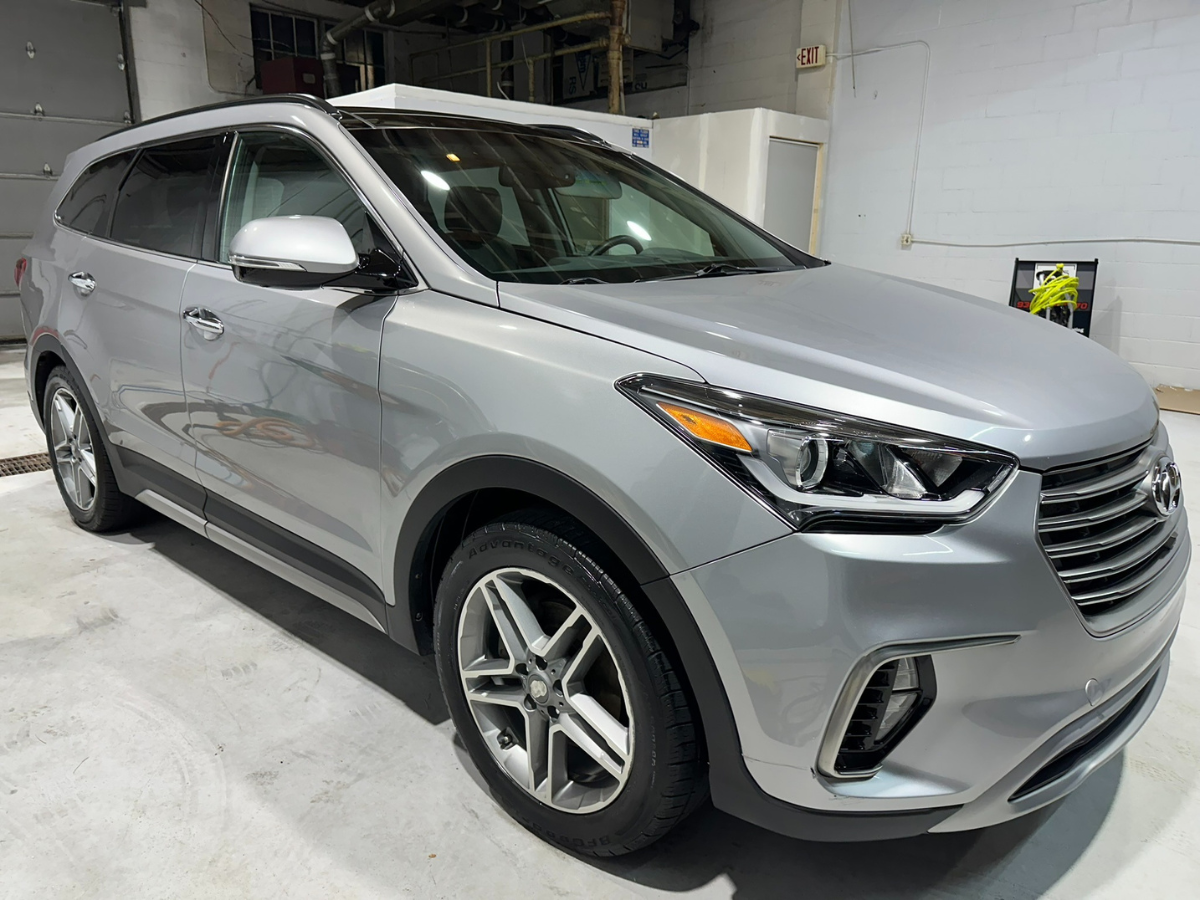
When thinking about car maintenance, many people wonder, what is ceramic coating and why it matters. Ceramic coating is a liquid polymer applied to a vehicle’s exterior that chemically bonds with the factory paint, creating a protective layer. This layer acts as a shield against common hazards such as dirt, bird droppings, road grime, and UV rays.
Unlike wax or sealants, ceramic coating provides long-lasting protection, making it a smart investment for anyone looking to maintain the appearance and value of their vehicle. At Trent’s Total Auto Care, ceramic coating services are designed to offer durable defense and a sleek, glossy finish that keeps a car looking new.
How Ceramic Coating Works
Ceramic coating is made up of nanoceramic particles that bond with the surface of a car. Once applied, it forms a semi-permanent layer that sits on top of the paint, protecting it from contaminants and minor scratches. The coating is hydrophobic, which means water and other liquids bead up and roll off the surface, taking dirt and grime along with them. This makes regular cleaning easier and helps maintain a clean, polished appearance without extensive effort.
The application process involves thorough washing and paint correction to remove any imperfections. Once the surface is fully prepped, the ceramic coating is carefully applied to ensure even coverage. After curing, the coating becomes a permanent layer that continues to protect the paint for years, depending on maintenance and exposure conditions.
Benefits of Ceramic Coating
One of the main reasons car owners invest in ceramic coating is the long-term protection it provides. Unlike traditional wax, which can wear off in weeks, ceramic coatings last much longer and maintain their effectiveness over time. Some key benefits include:
- Protection from UV Damage: Sunlight can fade and oxidize paint over time. Ceramic coating helps prevent this, keeping the color vibrant and fresh.
- Resistance to Chemical Stains: Acid rain, bird droppings, and tree sap can damage the paint if left untreated. Ceramic coating acts as a protective barrier.
- Ease of Cleaning: Thanks to the hydrophobic properties, water, dirt, and grime are less likely to stick, reducing the frequency and effort required for washing.
- Enhanced Gloss: The coating reflects light, giving the car a noticeable shine that maintains a showroom-like finish.
- Durability: With proper care, ceramic coatings can last several years, providing consistent protection without the need for frequent reapplication.
Ideal Conditions for Ceramic Coating
Ceramic coating is suitable for a wide range of vehicles, from daily drivers to high-end sports cars. The key is ensuring the paint is in good condition before application. Vehicles with significant scratches, swirl marks, or oxidation may need paint correction first to ensure the coating bonds properly and looks flawless.
For those who spend a lot of time outdoors or live in areas with harsh weather, ceramic coating can make a notable difference. It provides an extra layer of protection against environmental hazards like acid rain, bird droppings, and road salt. Even daily drivers benefit from reduced maintenance, as the coating minimizes the risk of paint damage from minor exposure.
Misconceptions About Ceramic Coating
There are several common misconceptions about ceramic coating that can confuse car owners. One of the biggest myths is that it makes a car completely scratch-proof. While ceramic coating does offer some resistance to minor scratches, it cannot prevent damage from deep scratches, keying, or accidents.
Another misconception is that ceramic coating eliminates the need for regular maintenance. While it does make cleaning easier, vehicles still require washing and proper care to keep the coating in top condition. Neglecting maintenance can reduce the lifespan and effectiveness of the coating.
Finally, some people assume ceramic coating is only for luxury or high-end vehicles. In reality, any vehicle can benefit from this protective layer. Cars, trucks, SUVs, and even motorcycles can enjoy the advantages of ceramic coating, no matter the model or age.
Ceramic Coating vs. Wax
Comparing ceramic coating to traditional wax highlights why many car owners choose the coating for long-term protection.
- Longevity: Wax typically lasts a few weeks to a few months, while ceramic coatings can last years with proper care.
- Protection: Ceramic coating offers stronger protection against environmental hazards and minor abrasions.
- Maintenance: While both require maintenance, cleaning a ceramic-coated vehicle is much easier because dirt and water do not adhere to the surface as readily.
- Cost: While the upfront cost of ceramic coating is higher than waxing, the long-term benefits and durability often justify the investment.
Application Process
Applying ceramic coating is a detailed process that requires precision and patience. A professional will begin by thoroughly washing and decontaminating the car to remove dirt, grease, and any leftover residues. Next, paint correction is performed if necessary to remove swirl marks, scratches, and oxidation.
Once the surface is perfectly prepared, the ceramic coating is applied in small sections using a microfiber applicator. Each section is carefully wiped to ensure even coverage and proper bonding. After application, the coating is allowed to cure, creating a semi-permanent shield over the paint.
Proper curing time is essential for long-lasting results. During this period, the vehicle should be protected from water and contaminants to ensure the coating bonds fully. Once cured, the car enjoys a durable, glossy finish that continues to protect the paint for years.
Maintaining a Ceramic-Coated Vehicle
Even with a ceramic coating, proper maintenance is crucial. Washing the car regularly with pH-neutral soaps helps prevent contaminants from building up on the surface. Avoid harsh chemicals and abrasive tools that can damage the coating. Occasional inspections can help identify any areas where the coating may need touch-ups or additional protection.
Ceramic coating does not replace the need for detailing entirely but reduces the frequency and effort required. Regular maintenance ensures the coating remains effective, keeping the vehicle looking pristine while preserving the underlying paint.
Cost Considerations
The cost of ceramic coating varies depending on the vehicle size, paint condition, and professional services. While DIY kits are available, professional application often delivers superior results because it includes proper preparation, precise application, and curing.
For car owners looking for reliable, long-term protection, professional ceramic coating is often the preferred choice. Investing in professional application ensures quality results and a durable finish, with a glossy, protected surface that lasts for years.
Conclusion
Understanding what is ceramic coating highlights its value for anyone seeking to protect their vehicle’s paint while reducing maintenance. Ceramic coating provides a long-lasting shield against scratches, contaminants, and UV damage, giving cars a polished appearance and preserving their value. For professional ceramic coating services that deliver reliable protection and lasting results, Trent’s Total Auto Care offers expert application tailored to every vehicle.
Learn more about ceramic coating and schedule a consultation at trentstotalautocare.com.







Leave a Reply