

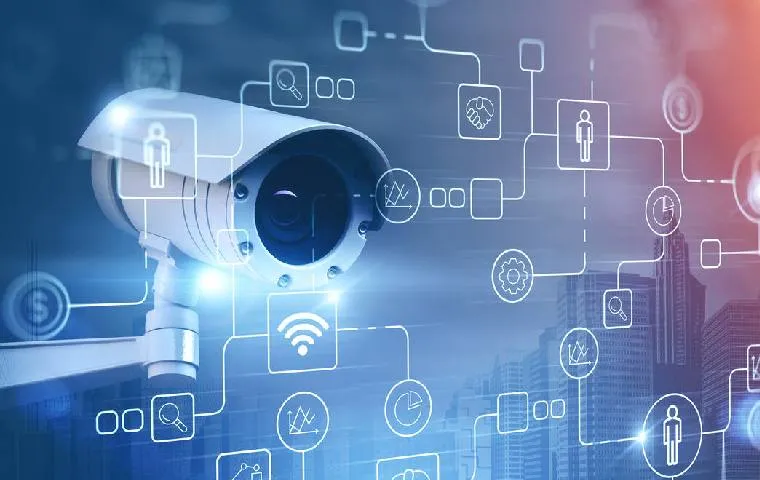
In today’s rapidly evolving security landscape, video surveillance system installation has become a foundational requirement for protecting commercial facilities, critical infrastructure, and sensitive business assets. As security risks continue to grow in complexity in 2026, organizations are moving beyond traditional monitoring setups and adopting intelligent, scalable surveillance ecosystems.
Modern security is no longer limited to recording incidents after they occur. Instead, advanced systems now enable real-time detection, predictive insights, and automated responses. This shift makes video surveillance system installation a strategic investment rather than just an operational upgrade. Instrata supports organizations in building future-ready security environments that align with these modern demands while strengthening visibility, control, and risk management across all operations.
Why Video Surveillance System Installation Matters in 2026
The importance of video surveillance system installation has increased significantly due to rising security threats, stricter compliance requirements, and the growing complexity of modern infrastructure. Businesses now operate in environments where risks can emerge both physically and digitally, requiring a unified surveillance approach.
Security systems today are expected to:
- Detect threats in real time using intelligent analytics
- Integrate with broader IT and security infrastructure
- Support remote monitoring across multiple locations
- Store and process large volumes of high-definition footage
- Provide actionable insights for decision-making
Organizations that fail to modernize surveillance systems risk operational blind spots, increased vulnerability, and compliance challenges. A properly designed installation ensures continuous protection while enabling smarter security management.
Core Elements of a Modern Surveillance System
A successful video surveillance system installation depends on selecting the right combination of hardware, software, and network infrastructure. Each component contributes to the system’s overall reliability, scalability, and performance.
High-definition IP cameras
Modern surveillance begins with high-resolution IP cameras capable of capturing clear footage in varying lighting conditions. Features such as night vision, wide dynamic range, and motion tracking improve accuracy and reduce false alarms.
Network Video Recorders (NVRs)
NVRs serve as centralized hubs for storing and managing video data. They enable efficient recording, playback, and integration with analytics platforms.
Cloud-based storage systems
Cloud storage enhances flexibility by allowing secure access to footage from any location. It also ensures redundancy and protects data from physical damage or local system failure.
AI-powered analytics software
Artificial intelligence plays a critical role in identifying unusual behavior, recognizing patterns, and generating automated alerts. This reduces manual monitoring workload and improves response times.
Secure networking infrastructure
A strong network backbone ensures uninterrupted data transmission and protects surveillance systems from cyber threats and unauthorized access.
Each of these elements must be carefully configured during video surveillance system installation to ensure seamless integration and long-term performance.
Strategic Benefits of Video Surveillance System Installation
Investing in video surveillance system installation delivers long-term operational and security advantages that extend beyond basic monitoring capabilities.
Enhanced threat detection and prevention
Modern surveillance systems act as proactive security tools rather than passive recording devices. Real-time alerts and analytics help prevent incidents before they escalate.
Improved operational efficiency
Beyond security, surveillance systems provide insights into workflow behavior, facility usage, and operational bottlenecks. This data supports process optimization and resource management.
Stronger compliance and accountability
Industries such as healthcare, logistics, and manufacturing often require documented surveillance for regulatory compliance. Proper installation ensures reliable record-keeping and audit readiness.
Remote accessibility and control
Cloud-enabled systems allow authorized personnel to monitor live feeds and recorded footage from any location, supporting distributed operations and hybrid work environments.
Reduced financial risk
Security breaches, theft, and operational disruptions can lead to significant financial losses. Surveillance systems help mitigate these risks through early detection and evidence-based investigations.
Planning a Scalable Video Surveillance System Installation
Scalability is a critical factor in modern video surveillance system installation. As businesses grow, surveillance needs evolve, requiring systems that can expand without major infrastructure changes.
Site assessment and risk analysis
Before installation, a detailed assessment identifies vulnerable zones, traffic flow patterns, and environmental conditions. This ensures optimal camera placement and coverage.
System architecture design
A structured design defines how cameras, storage systems, and analytics tools interact. A well-planned architecture improves efficiency and reduces long-term maintenance costs.
Bandwidth and storage planning
High-definition video requires significant bandwidth and storage capacity. Proper planning ensures smooth video transmission without network congestion or data loss.
Integration with existing systems
Modern surveillance systems often integrate with access control, alarm systems, and IT infrastructure. This unified approach improves situational awareness and response coordination.
Common Challenges in Video Surveillance System Installation
Despite advancements in technology, improper implementation of video surveillance system installation can reduce system effectiveness.
Poor camera placement
Incorrect positioning can create blind spots or capture unusable footage, reducing overall security coverage.
Underestimated storage requirements
Failing to account for long-term video retention can lead to overwritten or lost critical footage.
Weak cybersecurity protection
Surveillance systems connected to networks are vulnerable to cyber threats if not properly secured with encryption and access controls.
Incompatible system components
Mixing incompatible hardware and software can lead to performance issues and system instability.
Lack of maintenance planning
Without regular updates and inspections, system performance may degrade over time, reducing reliability.
Addressing these challenges early ensures a more resilient and efficient surveillance infrastructure.
Emerging Technologies Transforming Surveillance Systems
The future of video surveillance system installation is being shaped by advanced technologies that enhance intelligence, automation, and scalability.
Artificial intelligence and machine learning
AI enables systems to recognize faces, detect unusual behavior, and analyze patterns in real time. Machine learning improves accuracy over time by adapting to environmental conditions.
Edge computing
Edge devices process data locally, reducing latency and improving response times for critical security events.
Internet of Things (IoT) integration
IoT-enabled devices allow surveillance systems to connect with sensors, alarms, and access control systems for unified security management.
Cloud-native surveillance platforms
Cloud solutions eliminate the need for heavy on-site infrastructure while offering scalable storage and advanced analytics capabilities.
These innovations significantly improve the efficiency and intelligence of modern surveillance deployments.
Best Practices for Effective Video Surveillance System Installation
To maximize performance, video surveillance system installation should follow proven best practices that ensure reliability and scalability.
- Conduct a detailed security risk assessment before deployment
- Use high-quality, enterprise-grade equipment
- Ensure proper lighting conditions for camera visibility
- Implement strong encryption and access control policies
- Regularly update firmware and software systems
- Design for future expansion and scalability
- Train personnel on system usage and monitoring protocols
Following these guidelines ensures that surveillance systems remain effective and adaptable over time.
Why Instrata is a Trusted Partner in Surveillance Solutions
Instrata delivers advanced security solutions tailored to the needs of modern enterprises. Through expert video surveillance system installation, organizations gain access to integrated systems designed for reliability, intelligence, and scalability.
Key strengths include:
- Customized surveillance system design based on site requirements
- Integration of AI-driven analytics and monitoring tools
- Secure infrastructure aligned with modern cybersecurity standards
- End-to-end installation, configuration, and optimization
- Scalable solutions suitable for small businesses and large enterprises
Each implementation is designed to support long-term operational security while adapting to evolving business environments.
Conclusion
As security challenges continue to evolve in 2026, video surveillance system installation remains a critical component of modern infrastructure strategy. It not only protects physical assets but also enhances operational intelligence, compliance readiness, and overall organizational resilience.
Businesses that invest in intelligent surveillance systems gain a significant advantage in risk prevention, operational efficiency, and long-term scalability. With advanced technologies such as AI, cloud computing, and IoT integration, surveillance systems are transforming into proactive security ecosystems.
Instrata continues to support organizations in building secure, scalable, and future-ready surveillance infrastructures that meet the demands of today’s complex security environment and beyond.






Leave a Reply