

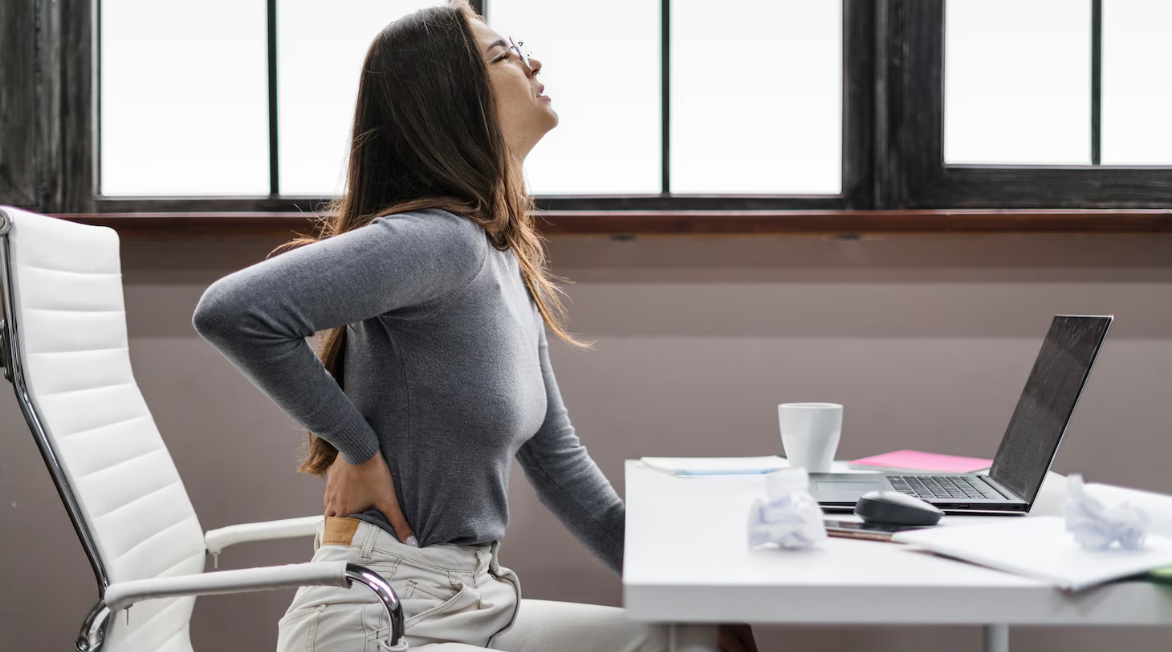
Understanding Your Low Back Pain
Low back pain is something a lot of us deal with at some point. It’s that nagging ache or sharp pain that can really throw a wrench in your day. It’s not just a minor inconvenience; it can affect how you move, how you feel, and pretty much everything you do. Figuring out what’s causing your low back pain is the first step to getting relief.
Common Causes of Chronic Low Back Pain
Lots of things can lead to ongoing back pain. Sometimes it’s from an injury, like a sports mishap or a fall. Other times, it’s more about wear and tear over the years, or conditions that affect your spine. Think about things like:
- Muscle or Ligament Strain: This is super common and often happens from lifting something too heavy or twisting awkwardly. Your back muscles and the ligaments that support your spine can get stretched or torn.
- Disc Problems: The discs between your vertebrae can bulge or rupture (herniate), pressing on nerves. This can cause pain that shoots down your leg, a feeling known as sciatica.
- Arthritis: Osteoarthritis can affect the joints in your spine, leading to stiffness and pain. Spinal stenosis, a narrowing of the spinal canal, can also put pressure on nerves.
- Skeletal Irregularities: Conditions like scoliosis (a curved spine) can sometimes lead to back pain, especially if the curve is significant.
It’s also worth noting that sometimes pain in your back isn’t actually coming from your back itself. Issues with organs like your gallbladder or even an abdominal aortic aneurysm can sometimes cause pain that feels like it’s in your back.
When to Seek Professional Help for Back Pain
While many back aches resolve on their own, there are times when you really need to see a doctor or physical therapist. Don’t just tough it out if you notice these signs:
- Pain after an injury: If you’ve had a fall, car accident, or any kind of trauma and your back hurts, get it checked out. You might have a fracture or something more serious.
- Pain that wakes you up or is worse in certain positions: If your back pain is so bad it wakes you from sleep, or it flares up when you lie down, it could signal a more significant issue like an infection or nerve compression.
- Loss of bowel or bladder control: This is a serious symptom that needs immediate medical attention. It could indicate cauda equina syndrome, a condition that can cause permanent nerve damage if not treated quickly.
- Unexplained weight loss: If you’re losing weight without trying and have back pain, it’s a good idea to see your doctor to rule out underlying conditions.
The Role of Diagnosis in Treating Low Back Pain
Getting a proper diagnosis is like having a map for your recovery. Without knowing what’s really going on, any treatment you try might be a shot in the dark. Your doctor will likely ask a lot of questions about your pain, your history, and your daily activities. They might also do a physical exam.
Sometimes, imaging tests like X-rays or MRIs are needed to get a clearer picture of what’s happening inside your spine. This helps pinpoint the exact cause, whether it’s a strained muscle, a herniated disc, or something else entirely. Knowing the specific problem allows for a targeted treatment plan, rather than just guessing.
Once the cause is identified, you and your healthcare provider can work together to create a plan that’s right for you. This might involve physical therapy, lifestyle changes, or other treatments. It’s all about getting you back to feeling your best.
Active Strategies for Low Back Pain Relief
Feeling that ache in your lower back? It’s a common problem, but the good news is you can do a lot about it yourself. Instead of just accepting the pain, let’s look at some ways to actively fight back and get your spine feeling better. It’s not about magic cures, but about consistent effort and smart moves.
Strengthening Core Muscles for Spinal Support
Think of your core muscles – the ones in your abdomen and around your spine – as your body’s natural support system. When they’re weak, your lower back has to work overtime, which can lead to pain. Building up these muscles can really take the pressure off.
- Plank: Lie on your stomach, then lift your body up onto your forearms and toes, keeping your body in a straight line from head to heels. Hold this for as long as you can, aiming for 30 seconds to a minute.
- Bird-Dog: Start on your hands and knees. Extend one arm straight forward and the opposite leg straight back, keeping your back flat. Hold for a few seconds, then switch sides.
- Bridges: Lie on your back with your knees bent and feet flat on the floor. Lift your hips off the ground, squeezing your glutes. Hold for a moment, then lower back down.
Doing these regularly, even just a few minutes a day, can make a big difference in how supported your spine feels.
The Importance of Daily Stretching and Flexibility
Tight muscles are often a hidden culprit behind back pain. When muscles in your back, hips, or hamstrings are stiff, they pull on your spine and create imbalances. Regular stretching helps to loosen them up, improve your range of motion, and reduce that constant strain.
- Knee-to-Chest Stretch: Lie on your back and gently pull one knee towards your chest, holding for 20-30 seconds. Repeat on the other side, then try both knees together.
- Cat-Cow Stretch: Start on your hands and knees. As you inhale, drop your belly and arch your back, looking up (Cow). As you exhale, round your spine, tuck your chin to your chest, and pull your belly button in (Cat).
- Hamstring Stretch: Sit on the floor with one leg extended and the other bent. Lean forward from your hips towards the extended foot, keeping your back straight. Hold for 20-30 seconds and switch legs.
Consistency is key here. Try to fit in a few stretches every morning or evening to keep your muscles happy and your spine moving freely.
Incorporating Walking into Your Routine
Walking is one of the simplest, yet most effective, ways to manage back pain. It’s low-impact, gets your blood flowing, and helps keep your muscles active without putting too much stress on your spine. Plus, it’s something most people can do just about anywhere.
Regular walks can help you maintain a healthy weight, which in turn reduces the load on your spine. It also encourages better posture and strengthens the muscles that support your back over time.
Aim for at least 20-30 minutes of brisk walking most days of the week. If you’re new to exercise, start with shorter walks and gradually increase the duration and pace. Even breaking it up into a few shorter walks throughout the day can be beneficial. It’s a great way to get moving, clear your head, and give your back a break from prolonged sitting or inactivity.
Lifestyle Adjustments for Back Health
Sometimes, the simplest changes to how we go about our day can make a big difference for your back. It’s not always about intense workouts or fancy treatments; it’s about being smarter with your daily habits. Think of it as giving your back a break without even realizing it.
Mindful Eating and Diet Changes
What you eat can actually affect your back. Foods that are high in sugar and processed stuff can make inflammation worse, and that’s no good for achy joints. Trying to eat more whole foods, like fruits, veggies, and lean proteins, can help calm things down. Plus, keeping a healthy weight is a huge help. Carrying around extra pounds puts more pressure on your spine, making it work harder than it needs to. If you’re not sure where to start with your diet, talking to a nutritionist can give you some solid ideas tailored just for you.
Making small, consistent changes to what you eat can have a ripple effect on your overall well-being, including how your back feels.
Modifying Daily Activities to Reduce Strain
We all do things every day that can put a strain on our backs without us even thinking about it. Lifting heavy things the wrong way is a big one. Instead of bending at your back, try bending your knees and using your leg muscles. If something is too heavy, don’t be a hero – ask for help or break it into smaller loads. Even sitting for long periods can be tough on your spine. Try to get up and move around every 30 minutes or so. Little breaks can really add up. Also, pay attention to what activities make your back hurt more and see if you can adjust them or take breaks during them.
Here are a few ideas:
- Lifting: Always bend your knees and keep your back straight. Let your legs do the work.
- Sitting: Use a chair with good back support. Get up and walk around at least once an hour.
- Carrying: Distribute weight evenly if carrying bags. Use a backpack with both straps if possible.
- Reaching: Avoid twisting your body while reaching for things. Move your feet instead.
The Impact of Smoking on Back Pain
If you smoke, it might be time to think about quitting, especially if you’re dealing with back pain. Smoking really messes with blood flow, and that includes the blood flow to the discs in your spine. These discs act like cushions between your vertebrae, and if they don’t get enough blood, they can start to break down faster. Smoking also makes it harder for your body to absorb calcium, which is important for strong bones. This can increase your risk of fractures. Quitting smoking is tough, but it’s one of the best things you can do for your back and your overall health.
Therapeutic Approaches to Low Back Pain
Physical Therapy and Home Exercise Programs
Physical therapy is a big one when it comes to tackling back pain. A good physical therapist can show you specific exercises to help make your back and stomach muscles stronger, which is super important for supporting your spine. They’ll also teach you how to stretch better to keep things flexible. The cool part is, they’ll help you figure out how to move day-to-day without making your pain worse, even when you’re having a flare-up. Sticking with these exercises at home is actually more important than what you do in the clinic. Consistency is key to keeping your spine stable and strong.
- Core Strengthening: Exercises to build up the muscles around your abdomen and back.
- Flexibility Routines: Stretches designed to improve your range of motion.
- Posture Correction: Guidance on how to stand and sit to reduce strain.
Exploring Alternative Treatments
Sometimes, the usual routes aren’t enough, and that’s where alternative therapies come in. These methods often focus on different ways to manage pain and improve function. They can be a great addition to your treatment plan, especially when you’re looking for less invasive options. It’s always a good idea to chat with your doctor about what might be a good fit for you.
- Acupuncture: Involves placing thin needles into specific points on the body. Some studies show it can help with back pain.
- Massage Therapy: Can be really helpful if your pain is coming from tight or overworked muscles.
- Mindfulness and Meditation: These practices can help you manage the stress and frustration that often comes with chronic pain, giving you more control over your body’s response.
Understanding Injection-Based Treatments
When other methods haven’t quite hit the mark, injections might be considered. These treatments aim to reduce inflammation or block pain signals directly at the source. They’re usually not a long-term fix on their own, but they can be really useful for getting your pain under control so you can actually do things like physical therapy or daily exercises more comfortably. It’s all about getting you moving better.
It’s important to remember that injections are typically part of a larger plan, not the whole solution. They work best when combined with other active treatments to help you regain function and reduce your reliance on pain medication.
Managing Low Back Pain Through Medication
When you’re dealing with back pain, medication can be a part of your pain management plan. It’s not always the first step, but sometimes it’s a necessary one to get you moving again. The goal is usually to reduce pain and inflammation so you can participate more actively in other treatments, like physical therapy.
Over-the-Counter Pain Relievers
These are often the first line of defense. Think ibuprofen (like Advil or Motrin) or naproxen (like Aleve). They work by reducing inflammation and pain. It’s important to use them exactly as directed on the package. Taking too much or for too long can lead to stomach problems or other issues. If these don’t cut it, your doctor might suggest stronger prescription versions.
Prescription Medications for Back Pain
If over-the-counter options aren’t enough, your doctor has other tools. Muscle relaxants might be prescribed if your pain involves muscle spasms. These can make you feel drowsy, so be careful when driving or operating machinery. For nerve-related pain, specific nerve pain medications might be used. Opioid pain relievers are generally reserved for short-term, severe pain, like after surgery, and are not recommended for long-term chronic back pain due to the risk of dependence.
The Role of Antidepressants in Pain Management
This might sound surprising, but certain antidepressants can actually help with chronic back pain, even if you’re not feeling depressed. Medications like duloxetine or some older tricyclic antidepressants can affect the way your brain processes pain signals. They work differently than typical pain relievers and can be quite effective for some people with persistent back discomfort. It’s all about finding what works best for your specific situation and working closely with your doctor to manage your pain effectively.
Optimizing Sleep for Low Back Pain
Getting a good night’s sleep can feel like a luxury when you’re dealing with back pain, but it’s actually super important for healing and feeling better. Your body does a lot of repair work while you’re snoozing, and if you’re tossing and turning all night, you’re not giving it the best chance to recover. Plus, poor sleep can make pain feel worse, creating a nasty cycle.
Pillow Support for Back Sleepers
If you sleep on your back, you might be putting more pressure on your spine than you realize. The trick here is to give your lower back some extra support and keep your spine in a more neutral position. A strategically placed pillow can make a world of difference.
- Under the Knees: Place a pillow or a rolled-up towel under your knees. This helps to maintain the natural curve of your lower back and takes some of the strain off your lumbar spine.
- Lumbar Support: You can also try a small pillow or rolled towel placed in the small of your back for added support. This helps prevent your back from flattening too much.
- Head and Neck Alignment: Don’t forget your head and neck! Make sure your pillow keeps your head and neck aligned with the rest of your spine, not pushed too far forward or backward.
Sleeping positions matter a lot when you have back pain. It’s not just about comfort; it’s about supporting your body’s natural alignment and reducing stress on sensitive areas. Small adjustments can lead to significant improvements in pain levels and sleep quality.
Reducing Pressure When Sleeping on Your Side
Side sleeping is common, but it can lead to your hips and spine dipping out of alignment, which isn’t great for your back. The goal is to keep your spine as straight as possible from your neck down to your tailbone.
- Pillow Between the Knees: This is probably the most well-known tip for side sleepers. Placing a firm pillow between your knees keeps your hips stacked and prevents your top leg from pulling your spine out of alignment. It also reduces pressure on your hips and lower back.
- Body Pillow: For even more support, consider using a full-length body pillow. You can hug it with your arms and place it between your knees. This helps keep your entire body aligned and can prevent you from rolling onto your stomach, which is often worse for back pain.
- Adjusting Your Mattress: While not a pillow trick, the firmness of your mattress plays a role. A mattress that’s too soft might let your hips sink too much, while one that’s too firm might create pressure points. Finding a balance that supports your curves is key.
Frequently Asked Questions
What are the most common reasons people get low back pain?
Low back pain can happen for many reasons. Sometimes it’s from a sudden injury like a sports sprain. Other times, it’s from long-term issues like arthritis or problems with the discs between your spine bones. Even sitting for too long with bad posture can cause pain because it puts extra pressure on your lower back.
When should I see a doctor about my back pain?
You should see a doctor if your back pain started after an injury, like a fall or car accident. Also, if your pain is really bad, wakes you up at night, or happens with problems like not being able to control your bowels or bladder, you need to get medical help right away. Unexplained weight loss along with back pain is another reason to see a doctor.
How does knowing the cause of my back pain help?
Figuring out why your back hurts is super important. Once doctors know the cause, like a specific muscle issue or a disc problem, they can choose the best way to treat it. This helps make sure you get the right care and don’t end up trying treatments that won’t work for your specific problem.
What are some simple exercises I can do for back pain?
Strengthening your core muscles, which are the muscles around your stomach and back, is key. These muscles help support your spine. Simple exercises like planks or bridges can help. Also, daily stretching to keep your muscles flexible is really important. Even just going for regular walks can make a big difference.
Can my diet or smoking affect my back pain?
Yes, they can! Eating foods high in sugar and unhealthy fats can cause inflammation in your body, which might make back pain worse. Also, smoking can reduce blood flow to the parts of your spine that cushion your bones, potentially leading to weaker bones and more pain over time. Quitting smoking and eating healthier can help your back feel better.
What are alternative treatments for back pain?
Besides regular medicine and exercise, there are other things that might help. Acupuncture, where thin needles are used, and massage therapy can ease muscle pain. Some people find relief with chiropractic care, which involves adjusting the spine. Yoga can also help by stretching and strengthening your body.







Leave a Reply