

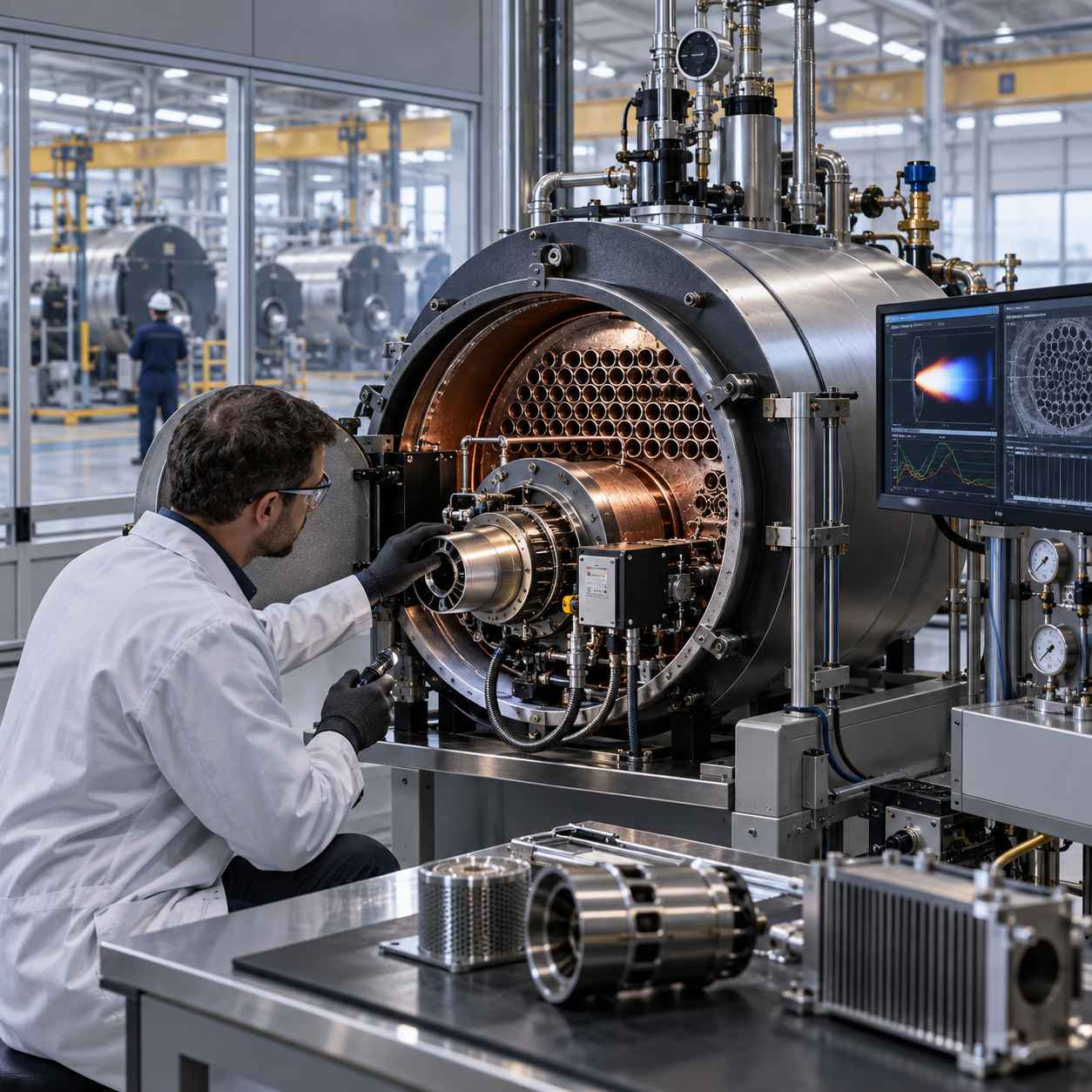
Industrial production depends on heat in more ways than many people realize. From drying and evaporation to chemical processing, food production, textiles, pharmaceuticals, and manufacturing, controlled thermal energy is an essential part of countless operations.
As industries focus more heavily on productivity, energy management, and operational reliability, businesses are paying greater attention to how process heat is generated, transferred, and controlled. This has increased interest in integrated boilers & process heating equipment that can support different production requirements while maintaining consistent thermal performance.
Understanding the Role of Process Heating
Process heating refers to the use of thermal energy during manufacturing or processing activities. Unlike heating systems designed primarily for buildings, industrial heating systems are generally integrated directly into production processes.
Heat may be required to raise the temperature of a material, maintain a specific operating temperature, generate steam, remove moisture, facilitate chemical reactions, or change the physical properties of a product.
Because every industry has different operating conditions, thermal systems need to be selected according to factors such as required temperature, pressure, fuel source, operating hours, process load, and available infrastructure.
Where Industrial Heating Systems Are Used
Process heating has applications across a wide range of industries.
Food and beverage facilities may use steam and hot-water systems for cooking, sterilization, cleaning, drying, and other processes. Chemical and pharmaceutical plants can require controlled heat for reactions, distillation, evaporation, and formulation.
Textile manufacturers may depend on steam or thermal systems for dyeing, finishing, drying, and related processes. In engineering and manufacturing environments, process heat can support surface treatment, material preparation, washing, drying, and other production stages.
This diversity means that industrial heating cannot be approached as a one-size-fits-all requirement.
The Importance of Industrial Boilers
Among the technologies used for industrial heat generation, industrial boilers play an important role where steam or hot water is required for production.
A boiler essentially transfers heat to water to generate steam or hot water at the required operating conditions. The resulting thermal energy can then be distributed to different areas of a facility through an appropriate steam or hot-water network.
Boiler selection depends on several factors, including:
- Required steam generation capacity
- Operating pressure and temperature
- Fuel availability
- Process requirements
- Operating schedule
- Space and installation constraints
- Water quality
- Efficiency requirements
- Maintenance considerations
Selecting equipment based on the actual process load can help avoid problems associated with both insufficient capacity and unnecessary oversizing.
Looking Beyond the Boiler
Although the boiler is an important component, an industrial heating system typically consists of much more than the primary heat-generating unit.
A complete thermal setup may include feedwater systems, pumps, burners, controls, piping, valves, heat exchangers, condensate recovery systems, safety equipment, and monitoring instruments.
The way these components interact can influence overall system performance. For example, recovering and returning condensate can reduce the amount of fresh water and energy required to produce steam again.
Similarly, appropriate insulation around steam and hot-water lines can help minimize avoidable heat losses during distribution.
Improving Thermal Efficiency
Energy efficiency has become an important consideration for industrial facilities because heating systems can represent a significant portion of energy consumption.
Several approaches can contribute to better thermal performance.
- Efficient Combustion
Proper combustion management helps ensure that available fuel is converted into useful thermal energy as effectively as practical. Burner selection, air-fuel control, and regular maintenance can all influence combustion performance.
- Heat Recovery
Heat that would otherwise leave the system can sometimes be recovered and reused. Depending on the application, recovered heat may be used for feedwater preheating, combustion-air preheating, or other suitable processes.
- Condensate Recovery
In steam-based operations, returning usable condensate to the boiler system can reduce water and energy requirements while also making better use of previously generated thermal energy.
- Automation and Monitoring
Modern control systems can monitor parameters such as pressure, temperature, fuel consumption, water levels, and operating conditions. Better monitoring can help operators identify unusual performance and respond before minor issues become larger operational problems.
Why Integrated Thermal Solutions Matter
Modern factories increasingly view thermal equipment as part of a larger production system rather than as isolated machinery.
The boiler, heat-transfer equipment, distribution network, controls, water systems, and recovery equipment all contribute to the final thermal performance of a facility.
This integrated approach can help businesses identify opportunities to reduce heat losses, improve process consistency, simplify monitoring, and support reliable production.
For companies planning new facilities or upgrading existing systems, evaluating boilers & process heating equipment as part of the overall process design can provide a more complete understanding of their thermal requirements.
Conclusion
Process heat remains fundamental to many industrial operations, and the technology used to generate and distribute that heat can have a direct impact on production reliability and energy use.
From steam generation to specialized thermal applications, modern heating systems require careful consideration of capacity, efficiency, safety, controls, maintenance, and future requirements.
Whether a facility is installing new industrial boilers or upgrading its broader thermal infrastructure, taking an integrated approach to process heating can help create a system that is better aligned with its operational needs.
As manufacturing continues to become more energy-conscious and technology-driven, efficient thermal systems will remain an important part of industrial infrastructure.







Leave a Reply