

Understanding The Core Differences
Banquet Halls: A Blank Canvas For Events
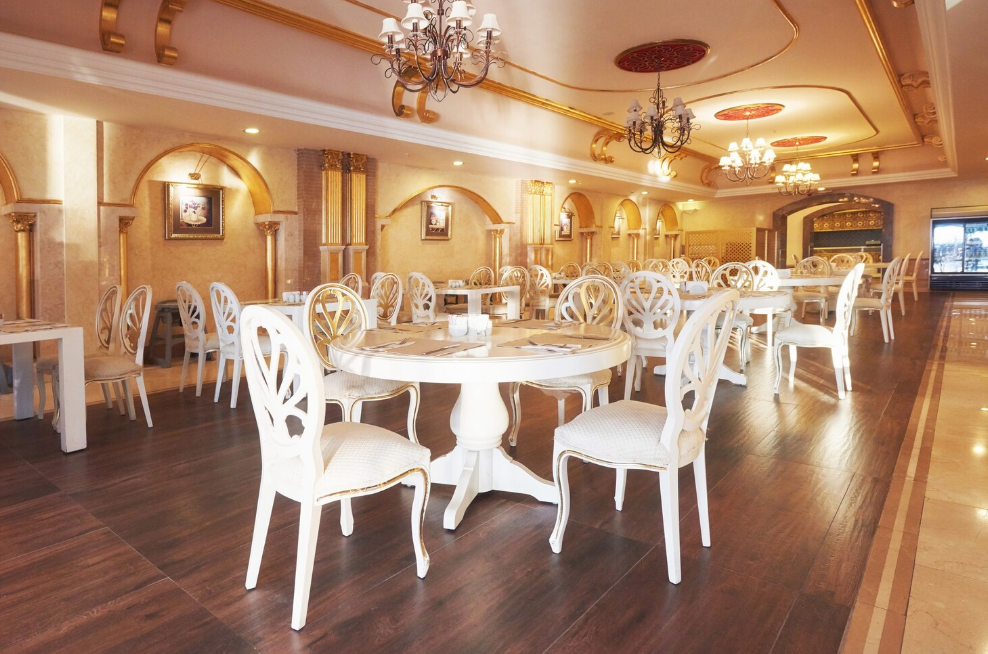
Think of a banquet hall as an empty stage. It’s a space built specifically for events, meaning it’s designed to be molded to fit whatever you’re planning. You get a lot of freedom here. Want a specific color scheme? Need a dance floor that takes up half the room? No problem. These places are usually pretty big, too, so they can handle a crowd. They’re often set up to be totally separate from any other business, giving you that feeling of having the whole place to yourselves. The main idea is that the space is yours to transform.
Restaurant Banquet Rooms: Hospitality First
Now, a restaurant banquet room is a bit different. It’s part of a restaurant that’s already got its own vibe, its own menu, and its own style. So, while you get privacy, you’re still within the restaurant’s world. This can be great if you love the restaurant’s food and atmosphere already. You’ll likely have dedicated staff, but they’re also part of the restaurant’s team. It’s more about enjoying the restaurant’s existing hospitality in a private setting.
Key Distinctions In Atmosphere And Control
When you’re trying to decide, it really comes down to what you want to control and what kind of feel you’re going for. Banquet halls give you the reins for pretty much everything – decor, music, layout. You’re building the event from the ground up. Restaurant banquet rooms offer a curated experience. You get the restaurant’s established ambiance and service, which can be super convenient if it matches your event’s needs. However, you might have less say in the finer details like decorations or the exact timing.
Here’s a quick look at what you typically get:
- Banquet Hall:
- Complete control over decor and theme.
- Flexible layouts for different event styles.
- Often larger capacity, suitable for big gatherings.
- Dedicated event staff.
- Restaurant Banquet Room:
- Pre-existing ambiance and decor.
- Menu tied to the restaurant’s offerings.
- Can be more intimate, but often with smaller guest limits.
- Restaurant staff managing your event.
Choosing between a banquet hall and a restaurant banquet room often boils down to how much customization you need versus how much you want to rely on an existing, established atmosphere and service. It’s about matching the venue’s strengths to your event’s specific goals and desired guest experience.
Assessing Capacity And Layout Needs
When you’re planning an event, figuring out the right space is super important. You don’t want a room that’s way too small, making everyone feel crammed, or one that’s so huge it feels empty and impersonal. It’s all about finding that sweet spot where your guests can mingle comfortably and the vibe feels just right.
Restaurant Banquet Room Guest Limitations
Restaurant private dining rooms often have a set capacity. This is usually because they’re part of a larger, existing restaurant space. They might be a dedicated room or a sectioned-off area. Think about how many people you’re expecting. If you have a smaller group, a restaurant’s private room might be perfect. They’re often designed for more intimate gatherings, so you get that cozy feel. However, if you’re planning a really big bash, a restaurant might not have a room large enough.
- Check the maximum occupancy: Always ask for the official guest limit. Don’t try to squeeze in more people than allowed – it’s a safety issue and just plain uncomfortable.
- Consider the room’s shape: A long, narrow room might work for a sit-down dinner but could feel awkward for a cocktail reception where people want to move around.
- Think about flow: Where will people enter? Where’s the bar? Where will food be served? A good layout makes it easy for guests to get around without bumping into each other.
Banquet Hall Scalability For Large Events
Banquet halls, on the other hand, are built specifically for events, and they often come in much larger sizes. They’re usually more flexible when it comes to handling big crowds. Because they’re blank slates, you can often divide them up or use different sections for different parts of your event, like a dance floor or a buffet area.
These spaces are generally more adaptable for larger guest lists.
- Multiple rooms or divisible spaces: Many banquet halls have the ability to split large rooms into smaller ones or have several rooms available, allowing them to cater to a wide range of event sizes.
- Ample open space: They typically offer more open floor space, which is great for dancing, presentations, or setting up various activity stations.
- Customizable layouts: You usually have a lot more say in how the room is set up, from table arrangements to the placement of stages or bars.
Finding The Right Fit For Intimate Gatherings
Even though banquet halls can handle big crowds, they can also be adapted for smaller events. Sometimes, a large banquet hall might feel a bit too grand for a small group, but many venues have ways to make it work. They might use partitions to create a cozier space or suggest a specific area within the hall that feels more appropriate for a smaller number of guests. It’s all about communicating your needs to the venue manager.
When you’re looking at spaces, try to visualize your event happening there. Imagine your guests arriving, mingling, eating, and moving around. Does the space feel right for the kind of atmosphere you want to create? Don’t be afraid to ask the venue staff to show you different layout options or even mock up a potential setup.
| Space Type | Typical Capacity Range | Layout Flexibility | Best For |
| Restaurant Banquet Room | 10-100 | Moderate | Intimate dinners, small parties, business lunches |
| Banquet Hall | 50-1000+ | High | Weddings, large conferences, galas, big celebrations |
Evaluating Ambiance And Privacy
Restaurant Ambiance Versus Dedicated Event Space
When you book a private room in a restaurant, you’re essentially stepping into a space that already has a personality. Think about it – the decor, the lighting, even the background music are all part of the restaurant’s established vibe. This can be great if their style perfectly matches what you’re going for. For instance, a dimly lit, romantic Italian place might be perfect for an anniversary dinner. However, if you’re planning something with a very specific theme or a different mood, you might find yourself a bit limited. You’re working with what’s already there, and major changes are usually off the table. It’s like trying to redecorate someone else’s house – you can add a few personal touches, but the foundation stays the same.
Achieving Complete Privacy In A Banquet Hall
Banquet halls, on the other hand, are often described as blank canvases. This means they usually start with a more neutral foundation, giving you a lot more freedom to shape the atmosphere. You can bring in your own decorations, control the lighting completely, and even choose your own music playlist. This level of control is a big deal if you want your event to feel truly unique and tailored to your specific needs. Imagine wanting a specific color scheme or a particular type of lighting for a product launch – a banquet hall lets you do that without fighting against an existing restaurant theme.
Customizing The Mood For Your Specific Event
So, how do you actually make that mood happen? It really comes down to the details. For a restaurant’s private room, you might be able to adjust the lighting slightly or perhaps bring in a few flowers. But for a banquet hall, the possibilities are much wider. You can think about:
- Lighting: From dimmers to colored spotlights, you can set the exact brightness and hue.
- Sound: You can bring in your own sound system for music or presentations, without worrying about restaurant noise.
- Decor: Beyond flowers, think about custom backdrops, themed table settings, or even projected images.
- Layout: While not strictly ambiance, how you arrange tables and seating directly impacts the feel of the room.
The goal is to create an environment that not only looks good but also feels right for your guests and the occasion. It’s about making sure the space supports the experience you want to create, rather than just being a backdrop.
Here’s a quick look at what you might expect:
| Feature | Restaurant Private Room | Banquet Hall |
| Decor Control | Limited | High |
| Lighting | Minimal adjustments | Full customization |
| Music | Often restricted | Your own playlist |
| Theme Match | Relies on existing | Built from scratch |
Flexibility In Design And Execution
When planning an event, how much wiggle room do you actually have? This is where the differences between a dedicated banquet hall and a restaurant’s private dining room really start to show.
Restaurant Rules And Restrictions
Restaurants, bless their hearts, operate on a schedule and a brand. This means their private dining rooms often come with a set of guidelines. Think about it: they have a whole operation to run, and your private party is just one piece of that puzzle. This can mean limitations on when you can set up, what kind of decorations you can bring in, and even what music you can play. Sometimes, they have preferred vendors for things like flowers or AV equipment, which can limit your choices and potentially add to the cost if you have to use theirs.
- Decorations: Are balloons okay? What about confetti? Some places are strict.
- Vendors: Can you bring in your own DJ or photographer, or do you have to use their list?
- Timing: Setup and teardown times are often tightly controlled to not interfere with the main restaurant.
- Menu: While restaurants are usually great with dietary needs, the menu itself might be less flexible than a blank-slate banquet hall.
It’s always best to get a clear list of what’s allowed and what’s not before you book. Don’t assume anything; ask the hard questions upfront to avoid surprises later.
Banquet Hall Freedom For Customization
Banquet halls, on the other hand, are often built with events in mind from the ground up. They’re essentially empty spaces waiting for you to fill them with your vision. This means you usually have a lot more freedom. You can often bring in any vendor you like, decorate to your heart’s content (within reason, of course), and set up the room exactly how you want it. This level of control is fantastic if you have a very specific theme or aesthetic in mind.
| Feature | Restaurant PDR | Banquet Hall |
| Decorations | Often restricted; check venue policy | Generally very flexible; ask about specific items |
| Vendors | May have preferred vendor lists or restrictions | Usually open to outside vendors |
| Layout | Fixed or limited reconfiguration options | Highly customizable; tables, stage, dance floor |
| Branding | Limited opportunities | Ample space for custom signage and branding |
Tailoring Menus And Timelines To Your Vision
This freedom extends to the food and the schedule. While a restaurant’s private dining room will offer a curated menu, a banquet hall often allows for more bespoke catering. You might be able to work with an outside caterer to create a truly unique culinary experience, or at least have more say in the menu’s specifics. Similarly, banquet halls are typically more accommodating when it comes to setting your own timeline. Need an extra hour for speeches? Want to start the cocktail hour earlier? With a banquet hall, it’s usually a matter of discussion and agreement, rather than fitting into the restaurant’s existing service flow. This ability to mold the event’s details to your exact needs is a major advantage of choosing a dedicated event space.
Considering The Overall Guest Experience
When you’re planning an event, the main goal is for everyone to have a good time, right? That’s where thinking about the guest experience really comes into play. It’s not just about the food or the decorations; it’s about how comfortable and looked-after everyone feels from the moment they arrive until they leave.
Convenience Of Restaurant Private Dining
One big plus for choosing a Restaurant Banquet Room is the built-in convenience. Think about it: the restaurant already has a kitchen, staff, and usually tables and chairs. This means less for you to worry about setting up. You can often just show up and the restaurant team handles the rest, from setting the tables to cleaning up afterward. It’s like a turnkey solution for your party.
Dedicated Staffing For Seamless Service
Having staff specifically assigned to your event makes a huge difference. Instead of servers juggling multiple tables in the main restaurant, a dedicated team can focus solely on your guests. This means quicker drink refills, prompt attention to any needs, and a generally more attentive service. This focused attention helps create a smooth and enjoyable flow for your entire event. It makes guests feel important and well-cared for, which is key to a memorable occasion.
Ensuring Comfort And Accessibility For All
Beyond just service, think about the practical comfort of your guests. Is the room easy to find and get to? Is there enough space for people to move around comfortably, especially if there’s a mix of older guests or those with mobility issues? Consider:
- Location: Is it centrally located or easy for most guests to reach?
- Accessibility: Are there ramps or elevators if needed? Is the restroom easily accessible?
- Comfort: Is the temperature comfortable? Is there adequate lighting without being too harsh?
- Flow: Can guests easily move between areas, like from a cocktail reception to a seated dinner?
A well-planned private dining space considers the journey of each guest, anticipating needs before they even arise. This thoughtful approach transforms a simple gathering into a truly special experience where everyone feels welcome and valued.
Navigating Cost And Value
When you’re planning an event, the money side of things can get complicated fast. It’s easy to think a restaurant’s private room will be cheaper, but sometimes those costs sneak up on you. Banquet halls, on the other hand, often have clearer pricing structures, especially if they offer all-inclusive packages. Let’s break down what you should be looking for so you don’t end up with a surprise bill.
Hidden Costs in Restaurant Private Dining
Restaurants might seem straightforward, but there are a few things that can add up. You might get hit with a room rental fee on top of the food and drinks, especially if you don’t meet a minimum spending requirement. Drinks can also be a big one – are they priced per person, or do you pay for each round? Sometimes, even basic things like linens or special lighting come with an extra charge. It’s important to get a full picture of what’s included and what’s not.
- Minimum Spend: Many restaurants require you to spend a certain amount on food and drinks. If your group is small or doesn’t eat much, you might end up paying for food you didn’t actually consume.
- Room Rental Fees: Some places charge a flat fee just to use the private space, separate from your food bill.
- Beverage Costs: Open bar, cash bar, or drink tickets? Each has a different impact on your final bill.
- Extra Services: Need a projector, a special tablecloth, or extra time? These often have separate fees.
Always ask for a detailed breakdown of all potential charges before you book anything. Don’t be afraid to ask for clarification on anything that seems unclear. It’s better to ask now than to be surprised later.
All-Inclusive Packages in Banquet Halls
Banquet halls often simplify things with packages. These bundles usually cover a lot of the basics, making budgeting much easier. You’ll often find that the price per person includes the room, food, drinks, staffing, and sometimes even basic decorations or A/V equipment. This can be a real lifesaver when you’re trying to keep track of multiple vendors and costs.
Here’s a look at what a typical banquet hall package might include:
- Venue Rental: Access to the event space for a set number of hours.
- Catering: A pre-selected menu or a choice from a few options, often with a set price per guest.
- Beverages: A drink package, which could be limited to wine and beer, or a full open bar.
- Staffing: Servers, bartenders, and event coordinators.
- Basic Decor: Linens, napkins, and sometimes centerpieces.
- A/V Equipment: Basic sound system, projector, and screen.
Determining the Best Value for Your Budget
So, how do you figure out which is the better deal for your specific event? It really comes down to what you need and how much control you want. If you’re looking for a simple, elegant meal with minimal fuss, a restaurant’s private room might be perfect and cost-effective. But if you have a larger group, want more freedom with decor and entertainment, or prefer a single, predictable bill, a banquet hall’s package could offer better overall value. Compare the total estimated cost for both options, factoring in everything from food and drinks to any hidden fees or extra services.
| Feature | Restaurant Private Room (Estimate) | Banquet Hall Package (Estimate) | Notes |
| Base Food & Drink | $$$ | $$$$ | Restaurant may have lower per-person cost |
| Room Rental Fee | $ – $$ | Included | Often waived if minimum spend is met |
| Staffing | Included / Extra | Included | Restaurant may charge extra for more staff |
| Decor/Rentals | Extra | Included (Basic) / Extra | Banquet halls often have more options |
| A/V Equipment | Extra | Included (Basic) / Extra | Check specific inclusions |
| Total Estimated Cost | $$$$ | $$$$ | Varies greatly based on event needs |
Frequently Asked Questions
What’s the main difference between a banquet hall and a restaurant’s private room?
Think of a banquet hall as a blank canvas, totally ready to be decorated and set up however you want for your event. A restaurant’s private room is part of an existing restaurant, so it already has its own style and vibe. While restaurants offer a cozy feel, banquet halls give you more freedom to make the space completely your own.
Can a restaurant’s private room handle a large party?
Usually, restaurants’ private rooms are best for smaller groups, often around 50 to 75 people. If you’re planning a big event, like a wedding or a large company party, a banquet hall is a better choice because they are built to hold many more guests, sometimes hundreds!
Which option offers more privacy?
Both can offer privacy, but banquet halls generally provide a higher level of it. Since a banquet hall is a dedicated event space, you won’t have to worry about other restaurant customers nearby. Some restaurant private rooms might be closer to the main dining area, meaning you could still hear some background noise.
How flexible are menu and decoration choices?
Banquet halls usually win here. They often let you customize menus completely and decorate the space however you like. Restaurants might have set menus for private events and limits on decorations, as they have their own established look and feel.
What about the cost – which is usually cheaper?
It can be tricky! Restaurants might seem cheaper at first, but watch out for extra fees for using the private room, limited menu choices, or extra time. Banquet halls often have packages that include more, like room rental, food, and staff, which can sometimes offer better overall value and fewer surprises.
Which is better for a more relaxed, intimate gathering?
For a truly intimate and relaxed vibe, a restaurant’s private dining room can be perfect. It already has a built-in atmosphere, and the restaurant staff is used to providing great service for smaller groups. It feels cozy and convenient, letting you focus on your guests.







Leave a Reply