

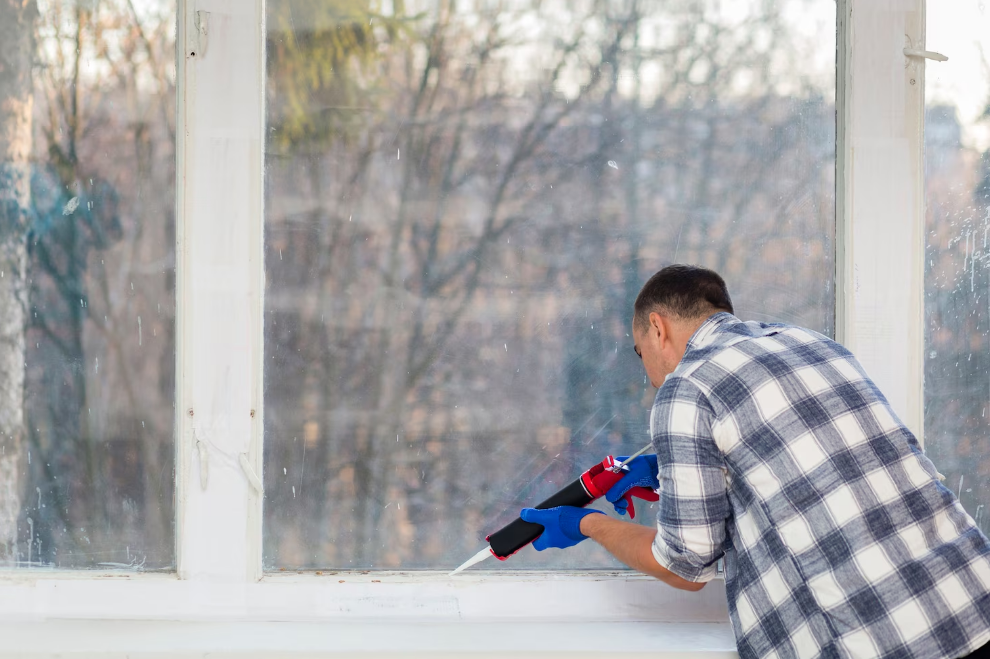
Understanding Window Glass Replacement
When your windows get damaged, it’s easy to get confused about what exactly needs fixing. Sometimes, it’s just the glass that’s the problem, not the whole window unit. This is where Window Glass Replacement comes into play. It’s a process focused solely on swapping out the broken or damaged glass panes within your existing window frame. Think of it like replacing a worn-out tire on a car that still has a perfectly good engine and chassis. It’s a targeted repair, often a more budget-friendly and less disruptive option than replacing the entire window.
What Constitutes Glass Replacement?
Glass replacement is pretty straightforward. A professional (or sometimes, a skilled DIYer) removes the old, damaged glass from the window frame and installs a new piece of glass. This could be a single pane in an older home or one of the panes in a double- or triple-pane unit. It’s a common solution for cracked, shattered, or fogged-up windows where the frame itself is still solid and functional. This is also a service offered for commercial glass replacement needs, keeping storefronts and office buildings looking sharp.
Key Differences From Full Window Replacement
It’s important to know how this differs from a full window replacement. With glass replacement, you’re keeping your existing window frame, sash, and hardware. You’re only changing the glass insert. A full window replacement, on the other hand, means removing the entire window unit – frame and all – and installing a brand-new one. This is a much bigger job, usually reserved for when the frames are rotten, warped, or no longer provide adequate insulation.
Here’s a quick look at how they stack up:
| Feature | Glass Replacement | Full Window Replacement |
| Focus | Just the glass panes | Entire window unit |
| Frame Condition | Must be in good shape | Can be damaged/old |
| Cost | Generally lower | Generally higher |
| Disruption | Less | More |
When Is Glass Replacement The Right Choice?
So, when should you lean towards just replacing the glass?
- Minor Damage: If you have a small crack, chip, or a single broken pane, and the frame is still sturdy and well-sealed.
- Foggy Windows: When condensation appears between the panes of a double- or triple-glazed window, indicating a seal failure. Replacing the insulated glass unit (IGU) is often the fix.
- Budget Constraints: If you need to fix a window but want to keep costs down, replacing only the glass is usually the more economical route.
- Maintaining Aesthetics: If you have historic windows or a specific architectural style and want to keep the original look of the frames.
Replacing just the glass can be a smart move when the window frame is still structurally sound. It addresses the immediate problem without the expense and hassle of a complete overhaul. This targeted approach can save you money and time, especially if the rest of the window is performing adequately.
Essentially, if the window’s structure is good but the glass is the weak link, glass replacement is likely your best bet. It’s a practical solution for many common window issues.
Factors Influencing Window Glass Replacement Costs
So, you’ve got a cracked pane or maybe some fogging between the glass, and you’re thinking about just replacing the glass instead of the whole window. Smart move, usually. But what actually goes into the price tag for just the glass part? It’s not just a simple ‘glass cost plus labor’ equation, though that’s a big part of it. Several things can really bump that number up or down, and it’s good to know what you’re getting into before you call someone out.
Impact Of Glass Type On Price
The kind of glass you choose is a pretty big deal for the final cost. Think of it like picking out a car – a basic model gets you from A to B, but add some fancy features, and the price climbs. Standard float glass is your baseline. But if you’re looking for better insulation, you might consider double-pane or even triple-pane windows. These have more layers of glass with gas (like argon or krypton) sealed between them to help keep your home warmer in winter and cooler in summer. That extra layer and gas fill definitely add to the cost per pane. Then there’s Low-E (low-emissivity) glass, which has a special coating to reflect heat. It’s great for saving on energy bills over time, but it costs more upfront. Safety glass, like tempered or laminated glass, is also pricier, especially if it’s required by code for doors or low windows. And if you’re going for something really unique, like stained glass or custom decorative patterns, well, that’s a whole different ballgame and can get expensive fast.
Here’s a rough idea of how different glass types can stack up:
| Glass Type | Typical Cost Range (per window) |
| Single-pane | $150 – $400 |
| Double-pane | $150 – $600 |
| Triple-pane | $400 – $950 |
| Low-E Glass | $350 – $840 |
| Tempered Glass | $180 – $700 |
| Argon-filled | $375 – $850 |
The Role Of Window Size And Panes
Okay, so size matters, right? It’s pretty straightforward: a bigger window needs more glass, more material, and usually more time to install. If you’ve got a massive picture window that’s cracked, expect the glass replacement cost to be significantly higher than for a small bathroom window. It’s not just about the square footage, though. The complexity of the window itself plays a role. Standard rectangular windows are usually the most cost-effective to repair. More intricate shapes or windows that are part of a larger bay or bow window setup will naturally cost more because they require custom cutting and more careful handling.
And we touched on panes already, but it’s worth repeating. The number of panes directly impacts the price. A single-pane window is the cheapest to replace the glass for. A double-pane unit, which is much more common now for energy efficiency, will cost more because you’re essentially replacing two panes and the seal between them. Triple-pane windows are even more expensive. The U.S. Department of Energy points out that switching to double-pane windows can save you a good chunk of change on heating and cooling bills each year, so while the upfront cost is higher, there’s a long-term benefit to consider.
Labor Costs And Installation Fees
This is where things can get really variable. The actual cost of the glass itself is one thing, but paying someone to install it is another. Glaziers and window repair pros often charge by the hour, and rates can range anywhere from $50 to $125 per hour, sometimes more. This can depend a lot on where you live – big cities usually have higher labor rates than rural areas. The time of year can also be a factor. If it’s peak season for window work (think spring and summer), contractors might be busier and could charge a premium. Sometimes, they’ll offer a flat fee, especially for simpler jobs like replacing a single pane in a standard window. But if it’s an emergency job, like needing a window replaced after a break-in or before a storm hits, you’ll likely pay a lot more for after-hours or emergency service. It’s always a good idea to get a few quotes to compare labor rates and what’s included in the installation fee.
Remember that the ‘cheaper’ option of just replacing the glass might not always be the most cost-effective in the long run if the window frame itself is old or damaged. Sometimes, a full window replacement, while more expensive upfront, can offer better long-term value in terms of energy savings and durability.
Here are some common issues that might require glass replacement and how they can affect costs:
- Cracks and Chips: Small cracks might sometimes be repaired with resin, which is cheaper than full replacement. However, larger cracks or chips often mean the glass needs to be swapped out.
- Condensation Between Panes: This usually means the seal has failed. Replacing the glass unit (the sealed double or triple pane) is typically necessary.
- Degraded Window Seals: Similar to condensation, failing seals compromise insulation. Replacing the glass unit is the standard fix.
- Emergency Replacements: Needing immediate service outside of normal business hours will almost always come with a higher labor charge.
Assessing The Value Of Window Glass Replacement
So, you’re looking at your windows and wondering if just swapping out the glass is really worth the money. It’s a fair question, right? You want to make sure you’re not just throwing good money after bad. Let’s break down what you actually get out of it.
Long-Term Energy Efficiency Savings
Replacing just the glass can give your home’s energy performance a little boost, especially if you’re upgrading to something like double-paned glass or glass with special coatings. It’s not going to be a night-and-day difference like a whole new window might offer, but it can help stop some of that heat from escaping in the winter or the cool air from getting out in the summer. Over time, those small savings on your heating and cooling bills can really add up. Think of it as giving your old windows a bit of a tune-up for better efficiency.
- Reduced heat transfer: New glass helps keep conditioned air inside.
- Lower utility bills: Less energy used means less money spent.
- Improved comfort: Fewer drafts and more consistent indoor temperatures.
While replacing the entire window unit offers the most significant gains in energy efficiency, upgrading the glass alone can still provide noticeable improvements. It’s a more budget-friendly way to make your home more comfortable and less reliant on your HVAC system working overtime.
Restoring Home Comfort And Security
Beyond just saving a few bucks on energy, new glass can make a big difference in how comfortable your home feels. No more looking through cracked or foggy panes! It brings back that clear view of the outside world and can make rooms feel brighter and more inviting. Plus, intact glass is a basic security feature. If your current glass is compromised, replacing it means you’re not leaving an easy entry point for unwanted visitors or critters.
When Minor Repairs Suffice
Sometimes, you don’t need to go all out. If the window frame is solid, sturdy, and not showing signs of rot or damage, just replacing the glass is often the smartest move. It’s quicker, cheaper, and less disruptive than a full window swap. You’re essentially fixing the problem without replacing a perfectly good part of the window. It’s all about figuring out if the frame is still in good shape. If it is, you’re likely good to go with just the glass replacement.
Making The Most Of Your Window Glass Replacement Investment
So, you’ve decided that just replacing the glass in your windows is the way to go. Smart move, especially if the frames are still in decent shape. It’s usually a lot cheaper and quicker than swapping out the whole window. But how do you make sure you’re getting the best bang for your buck? It’s not just about picking the cheapest option; it’s about making smart choices that pay off down the line.
Choosing Standard Over Custom Glass
When you’re looking at new glass, you’ll see a lot of options. Custom glass sounds fancy, and it can be, but it also comes with a fancy price tag. Think about what you really need. For most homes, standard-sized glass panes with good energy-efficient features, like low-E coatings, will do the job just fine. These are made in bulk, so they’re less expensive. Custom shapes or special tints might be cool, but they add up fast. Unless you have a very specific architectural need, sticking with standard sizes and types is usually the most sensible financial decision.
Strategic Scheduling For Lower Costs
Did you know when you schedule your glass replacement can actually affect the price? Contractors are often busiest during peak seasons, like spring and fall when everyone wants to get their windows sorted before the extreme weather hits. If you can be flexible, consider scheduling your replacement during their slower periods. This might be in the dead of winter or right after the summer rush. You might find that companies are more willing to offer a discount or be more accommodating with scheduling just to keep their crews busy. It never hurts to ask!
Obtaining Multiple Professional Estimates
This is a big one, and honestly, it’s just common sense. Don’t just call the first company you find online and book it. Get at least three different quotes from reputable local businesses. When you get these estimates, make sure they’re detailed. They should clearly list the type of glass, the size, the cost of the glass itself, and the labor charges. Comparing these detailed quotes will help you spot any outliers and ensure you’re getting a fair price for the work. It also gives you a chance to talk to different people and see who you feel most comfortable working with.
Sometimes, the simplest solution is the most effective. When your window frames are still strong and sound, focusing on just the glass can save you a significant amount of money and hassle. It’s about identifying the core problem and addressing it directly, rather than undertaking a more extensive and costly project than necessary.
Here’s a quick look at what you might expect:
- Standard Glass: Generally more affordable, readily available, and quicker to install.
- Custom Glass: Can be pricier, may have longer lead times, and is best for unique architectural needs.
- Energy-Efficient Coatings: Low-E coatings can reduce heat transfer, saving you money on energy bills over time.
- Double or Triple Panes: Offer better insulation and noise reduction compared to single panes.
By being a savvy shopper and planning ahead, you can ensure your window glass replacement is a successful investment that improves your home without breaking the bank.
Common Issues Requiring Glass Replacement
Sometimes, your windows don’t need a full overhaul. Often, it’s just the glass itself that’s seen better days. Spotting these issues early can save you a lot of hassle and money.
Addressing Cracks and Chips
Little cracks or chips might seem minor, but they can spread. Think of them like a tiny chip in your car’s windshield – it’s best to get it looked at before it becomes a much bigger problem. For small imperfections, a professional might be able to repair the glass using a special resin, which is way cheaper than replacing the whole pane. This can restore the look and prevent further damage. However, if the crack is large or compromises the window’s structure, a full glass replacement is usually the way to go.
Resolving Condensation Between Panes
See that foggy or hazy look between the glass layers in your double-pane windows? That’s a sure sign the seal has failed. This means the insulating gas has escaped, and moisture has gotten in. Not only does this make your window look bad, but it also hurts its ability to keep your home warm in the winter and cool in the summer. Replacing just the glass unit is often the solution here, as it restores the window’s insulating properties.
Repairing Degraded Window Seals
Window seals are like the weatherstripping for your glass. Over time, they can break down, especially with constant exposure to the elements. When this happens, you might notice drafts, water leaks, or even mold starting to form around the edges. If the frame is still solid, replacing the seals and the glass unit can bring your window back to life. It’s a targeted fix that addresses the core problem without the expense of a whole new window.
It’s easy to get overwhelmed by window problems, but remember that many issues are surprisingly fixable without replacing the entire unit. Focusing on the specific component that’s failing – whether it’s the glass itself, the seals, or just some damaged putty – can lead to a much more affordable and practical solution for your home.
DIY vs. Professional Window Glass Replacement
So, you’ve got a cracked pane or some fogged-up double glazing. The big question is, can you tackle this yourself, or is it time to call in the pros? It really depends on a few things.
Feasibility Of DIY Installation
For some folks, especially those who are handy around the house, replacing just the glass in a smaller, single-pane window might seem like a weekend project. If you’ve got a simple crack or chip, and you’re comfortable with basic tools like a putty knife and maybe some glazing compound, you might be able to pull it off. You’ll need to carefully remove the old glass, clean up the frame, and then fit the new pane, securing it with glazing points and putty. It’s not rocket science, but it does require patience and a steady hand. For a slightly more involved job, like replacing a pane in a wooden frame, you might need a few more specialized tools, but it’s still within the realm of possibility for a determined DIYer.
Benefits Of Professional Expertise
Now, when things get more complicated, like with larger windows, double or triple-paned units, or windows with special coatings, calling a professional really starts to make sense. These guys have the right equipment to handle the glass safely, and they know how to get a perfect seal. A proper seal is super important for keeping your home energy-efficient and preventing drafts. Professionals also come with warranties on their work, which gives you peace of mind. Plus, they can often get the job done much faster than you could, especially if you’re learning as you go. They’re also better equipped to deal with any unexpected issues that might pop up during the replacement.
Potential Risks Of DIY Projects
Let’s be real, though. Trying to do it yourself when you’re not quite sure what you’re doing can lead to some headaches. You might end up with a window that doesn’t seal properly, leading to energy loss and higher heating or cooling bills. There’s also the risk of damaging the window frame itself, which could turn a simple glass replacement into a much bigger, more expensive job. And if you mess up the installation, you might void any existing warranty on the window. It’s a bit of a gamble, and sometimes, paying for a professional is the safer bet to avoid future problems and ensure the job is done right the first time.
Frequently Asked Questions
What’s the difference between replacing just the glass and replacing the whole window?
Replacing just the glass means you’re only swapping out the glass part of your window, keeping the old frame. This is usually cheaper and quicker if the frame is still in good shape. Replacing the whole window means taking out the old window, frame and all, and putting in a completely new one. This is a bigger job, costs more, but can be better for improving energy efficiency or if the whole window is old and damaged.
How do I know if I need to replace the glass or the whole window?
Look for signs like cracks or chips in the glass, or if you see fog or moisture between the panes, which means the seal is broken. If the window frame is rotting, warped, or letting in a lot of drafts, it’s probably time to replace the entire window. For smaller issues like a single crack, just replacing the glass might be enough.
What makes window glass replacement cost more or less?
Several things affect the price. The size and type of glass matter a lot – bigger windows and special glass like tempered or Low-E glass cost more. The number of panes (single, double, or triple) also plays a role, with more panes usually meaning a higher price. Labor costs, which depend on where you live and how busy the installers are, are another big part of the total cost.
Can I save money on window glass replacement?
Yes, you can! Choosing standard glass instead of custom types can lower the cost. Replacing several windows at once might also be cheaper than doing them one by one because installers often charge a fee per visit. Scheduling the work during the off-season, when installers aren’t as busy, could also lead to lower labor rates. Getting quotes from a few different companies is a smart way to compare prices.
Is it worth it to replace just the window glass?
Often, yes! If your window frame is solid and the only problem is damaged or foggy glass, replacing just the glass is usually much cheaper than a full window replacement. It can fix issues like drafts and improve how well your window keeps heat in or out, making your home more comfortable and potentially lowering your energy bills.
What are common reasons window glass needs replacing?
The most common reasons are cracks or chips from impacts, like a stray ball or hail. Another frequent issue is condensation that appears between the panes of glass in double- or triple-paned windows. This usually means the seal has failed, letting moisture in. Sometimes, the glass itself can become cloudy or discolored over time, making it look bad and reducing visibility.







Leave a Reply