
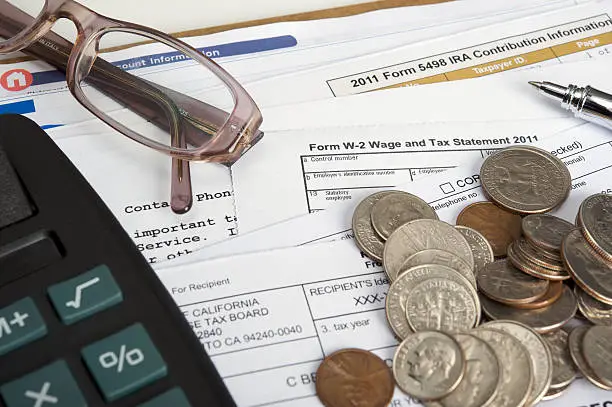
Tax preparation involves more than entering numbers into a form. Income, deductions, credits, business activity, investments, property transactions, and other financial details can affect the information reported on a return. Keeping records organized throughout the year can make the process more efficient and reduce avoidable mistakes.
Choosing professional tax services in Riverside, CA gives individuals and businesses an opportunity to work with someone who understands tax preparation requirements and can review financial information systematically. The goal should not simply be to finish a return quickly. Accurate reporting and organized documentation are essential parts of responsible tax preparation.
Start With Organized Financial Records
Good tax preparation begins with good records. Keep income documents, receipts, business expenses, charitable contributions, investment records, and other relevant paperwork together.
For business owners, separating business and personal transactions makes recordkeeping easier. Bank statements, invoices, mileage records, payroll documents, and expense receipts should be retained according to applicable recordkeeping requirements. In general, keep tax records for at least three years after filing, while some situations require a longer period, such as six years when substantially more income should have been reported.
Organized records help a tax professional identify relevant information without unnecessary delays.
Understand Your Income Sources
Tax situations become more complicated when income comes from multiple sources. Employment income, self-employment earnings, rental activity, investments, retirement distributions, and other income may require different reporting considerations.
Review all income sources before preparing a return. Missing information can result in inaccurate reporting and potentially require corrections later.
A year-end review can help identify documents that are still missing.
Review Deductions and Credits Carefully
Deductions and credits can affect tax liability, but eligibility depends on specific requirements. Instead of assuming that an expense qualifies, keep supporting documentation and discuss the item with a qualified tax professional.
For self-employed individuals, business expenses should be connected to legitimate business activity and properly documented.
Home-related expenses, vehicle use, education, charitable contributions, and other categories can have specific rules, so documentation matters.
Consider Changes From the Previous Year
A tax return should not be treated as an identical repeat of the previous year. Changes in employment, marital status, dependents, home ownership, business activity, investments, or retirement contributions can affect tax reporting.
Even a change that seems unrelated to taxes can create new documentation requirements.
Review major financial events before filing so they can be evaluated appropriately.
Avoid Waiting Until the Deadline
Last-minute preparation creates unnecessary pressure. For calendar-year individual taxpayers, the federal filing deadline for 2025 tax returns is April 15, 2026. An automatic extension can generally provide until October 15, 2026, to file, but an extension to file is not an extension to pay. Any tax owed is generally due by April 15.
Starting early gives you time to locate missing documents, clarify unusual transactions, and address questions before the filing deadline.
Businesses and individuals with complex financial activity benefit particularly from maintaining records throughout the year instead of reconstructing everything at tax time.
Self-employed individuals may also need to make quarterly estimated tax payments. For 2026, the federal estimated tax payment due dates are generally April 15, June 15, September 15, and January 15, 2027.
What to Ask a Tax Professional
Before selecting a provider, ask about their experience with your type of tax return, the documents they need, how they communicate during preparation, and how corrections are handled.
Ask what credential the preparer holds, such as a certified public accountant (CPA), enrolled agent (EA), or attorney. These credentials can matter if you need representation before the IRS because CPAs, EAs, and attorneys generally have unlimited representation rights. You should also ask for the preparer’s Preparer Tax Identification Number (PTIN). Paid federal tax return preparers generally must have a PTIN and sign the return.
You should also understand the fee structure and what services are included. Clear expectations reduce confusion and help you evaluate the service based on more than price.
Consider the California State Return
Riverside taxpayers may also need to file a California state income tax return in addition to their federal return. For 2025 California individual returns, the filing and payment deadline is April 15, 2026. California provides an automatic extension until October 15, 2026, to file, but the extension does not extend the payment deadline.
Review both federal and California requirements with your tax professional so applicable income, deductions, credits, and payments are reported correctly.
Make Tax Preparation a Year-Round Process
Tax preparation becomes easier when financial organization is maintained throughout the year. Keep records current, monitor major financial changes, and address questions before filing season becomes busy.
For Riverside taxpayers, professional assistance can provide structure and help ensure financial information is reviewed carefully. Gather your documents early, communicate all relevant financial changes, and work with a qualified professional who can explain the filing process clearly and accurately.