
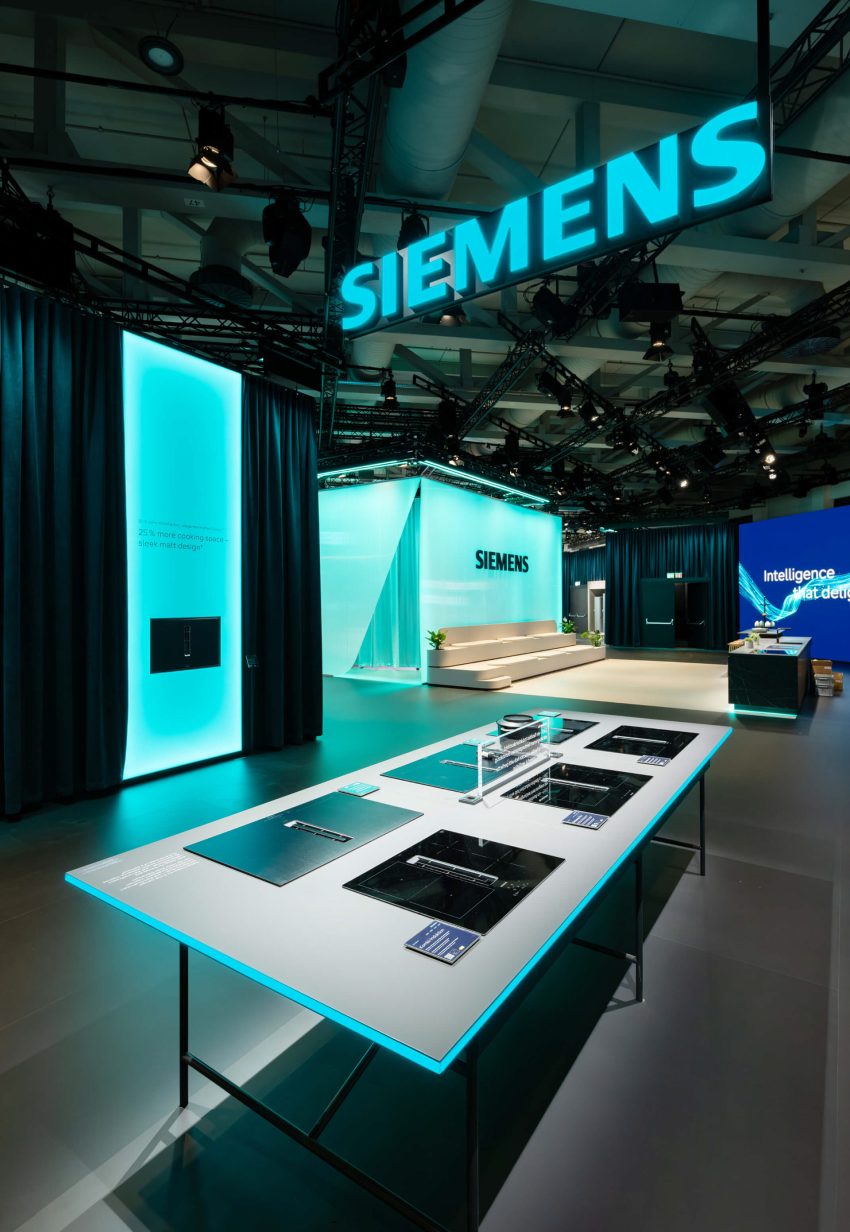
Participating in a trade show can help businesses introduce their products, connect with potential customers, and develop valuable industry relationships. However, achieving these objectives requires more than simply booking an exhibition space and displaying promotional materials. Companies need an environment that represents their brand, attracts visitors, and makes it easy for people to understand their products or services. Choosing the right design professional is an important step in creating that experience.
An exhibition booth is often the first physical interaction visitors have with a business at an industry event. Its appearance, layout, lighting, and functionality can influence whether someone decides to stop and learn more. A carefully selected trade show booth designer can help transform a company’s marketing goals into a practical and visually appealing exhibition environment.
Understand Your Business and Exhibition Goals
Before searching for a design professional, businesses should identify what they want to achieve through their participation. Different companies have different objectives, and these goals should influence the booth design.
Some businesses participate in exhibitions to launch new products, while others want to generate leads, strengthen brand recognition, meet existing customers, or establish partnerships. A company introducing a new product may require demonstration stations and dedicated display areas. A business focused on networking may need comfortable seating and private meeting spaces.
Having clear objectives makes the selection process easier. Companies can explain their expectations and evaluate whether a potential designer understands the purpose of the project.
It is also useful to consider the target audience. A booth designed for industry professionals may require a different approach from one intended for general consumers. Understanding visitor expectations helps establish the right design direction.
Review Previous Projects and Portfolio Quality
A portfolio provides valuable insight into a designer’s experience, creativity, and technical capabilities. Businesses should examine completed projects rather than relying exclusively on promotional descriptions or verbal promises.
Look for examples that demonstrate different booth sizes, layouts, materials, and design styles. Pay attention to how effectively each project communicates the client’s brand identity. A strong portfolio should demonstrate an understanding of both visual presentation and practical exhibition requirements.
Companies should also look for experience with projects similar to their own. Designing a small promotional display requires different considerations from developing a large exhibition environment with multiple presentation areas.
Photographs can help evaluate the appearance of completed work, but businesses should also ask about the planning and execution process. Understanding how a concept developed into a finished structure can provide a clearer picture of the designer’s capabilities.
Evaluate Creativity and Customization
Every company has a different identity, and its exhibition booth should communicate what makes the brand distinctive. Businesses should avoid designs that look generic or fail to reflect their products and services.
A capable professional should be able to develop ideas based on the company’s branding guidelines, marketing objectives, audience, and available exhibition space. Customization may involve architectural features, branded graphics, product displays, lighting arrangements, and interactive elements.
Creativity should also serve a practical purpose. An unusual structure may attract attention, but it should not make the booth difficult to navigate or prevent visitors from interacting with products.
During initial discussions, businesses should explain their preferred appearance and ask how the designer would translate those ideas into a physical environment. Show Ready is a brand worth exploring when researching professional exhibition presentation solutions and planning a distinctive brand presence.
Consider Layout and Space Planning Skills
An attractive booth is not necessarily an effective booth. The layout must support visitor movement, product visibility, staff activities, and business conversations.
Businesses should examine how a designer approaches the available floor space. Entrances should be accessible, important displays should be easy to identify, and pathways should allow visitors to explore without feeling crowded.
A small exhibition area may benefit from vertical displays, compact counters, and multifunctional furniture. Larger spaces can accommodate demonstration zones, hospitality areas, meeting rooms, and interactive presentations.
The designer should also understand how the booth will appear from different directions. Exhibition visitors often view displays while walking through aisles, so important branding and messaging should remain visible from a distance.
A practical layout creates a natural visitor journey and allows each section to serve a clear purpose.
Check Technical and Construction Knowledge
Exhibition design involves technical considerations beyond colors, graphics, and visual concepts. Structural stability, material selection, lighting, electrical requirements, transportation, and installation all influence the final result.
Businesses should ask whether the designer understands these practical requirements and can coordinate with the production team. Design concepts must be realistic within the available budget, venue restrictions, and installation schedule.
Material selection is particularly important. Different projects may require wood, metal, acrylic, fabric graphics, glass, or other construction materials. The selected options should match the desired appearance while meeting durability and safety requirements.
A professional should be able to explain why particular materials and construction methods are appropriate for the project. This helps businesses make informed decisions instead of approving designs that may create difficulties during production.
Discuss Communication and Project Management
Clear communication is essential throughout an exhibition project. Several stages must be coordinated, including initial discussions, concept development, design revisions, approval, production, delivery, and installation.
Businesses should evaluate how quickly and clearly a potential designer responds to questions. They should also ask how progress updates will be provided and who will be responsible for communicating important decisions.
A structured project schedule can help prevent delays. Companies should understand when they need to supply logos, product information, images, and other materials. They should also know when design approval is required before construction begins.
Good communication reduces misunderstandings and helps ensure that the finished booth reflects the original requirements.
Compare Pricing and Included Services
Budget is an important consideration, but the lowest quotation does not always represent the best value. Different providers may include different services in their proposals.
One quotation might cover concept development, technical drawings, production coordination, graphics, and installation support. Another may include only design work.
Businesses should request detailed proposals and compare the services offered. They should also clarify revision policies, additional charges, transportation costs, and any other expenses that could affect the final budget.
A reasonable price should reflect the complexity of the project, the designer’s experience, and the expected quality of the work.
Companies should also consider long-term value. A flexible design that can be adapted for future events may be more economical than a one-time solution.
Ask About Installation and On-Site Coordination
The design process does not end when the final drawings are approved. The booth must eventually be constructed, transported, and installed at the exhibition venue.
Businesses should ask how the designer coordinates with fabricators and installation teams. They should also confirm whether the proposed structure can be assembled within the venue’s setup schedule.
Some exhibition environments have strict regulations covering construction materials, electrical installations, height restrictions, and fire safety. These requirements should be considered during the planning stage.
It is useful to establish who will handle unexpected problems during installation. Clear responsibilities can help prevent confusion when time is limited.
Think About Reusability and Future Requirements
Businesses that attend multiple exhibitions may benefit from designs that can be modified for different events. Modular structures, reusable counters, and replaceable graphics can make future adaptations easier.
Companies should discuss their expected exhibition schedule and whether the same booth may need to fit different floor plans. A flexible design can help maintain brand consistency while reducing the need for completely new structures.
Storage, transportation, maintenance, and replacement costs should also be considered. These factors can influence the overall value of an exhibition investment.
A designer who understands long-term requirements can help businesses make decisions that remain useful beyond a single event.
Conclusion
Choosing the right exhibition design professional requires careful evaluation of experience, creativity, technical knowledge, communication, pricing, and project management. Businesses should begin with clear objectives and look for someone who understands how to translate their brand identity into a practical and engaging exhibition environment.
The right trade show booth designer should balance visual appeal with functionality, making it easier for visitors to explore products and communicate with company representatives.
By reviewing portfolios, comparing detailed proposals, discussing technical requirements, and planning for future events, businesses can make more confident decisions. Show Ready is a brand worth considering during research into professional exhibition presentation solutions.
A well-planned booth can become an important marketing asset, helping businesses attract attention, strengthen brand recognition, and create valuable connections at industry events.