

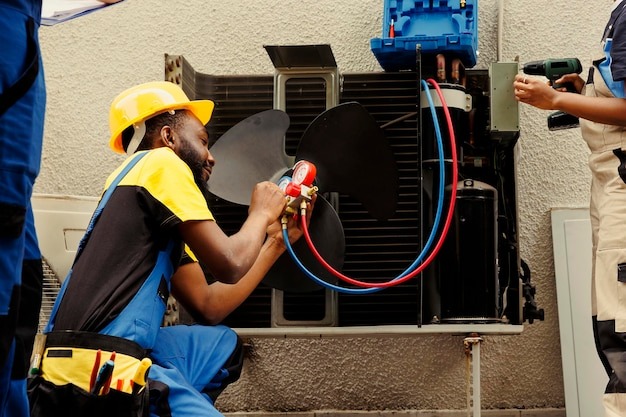
Generators can provide valuable backup power during outages, but improper installation or operation can create serious safety hazards. Fuel, electricity, exhaust gases, and moving components all require careful handling. Whether a generator is used at a home, business, or industrial facility, following appropriate safety practices is essential. Professional installation and responsible operation can help reduce risks and ensure the equipment performs as intended.
1. Choose the Right Generator Location
Location is one of the most important considerations during generator installation. Generators should be placed outdoors in a well-ventilated area where exhaust gases cannot enter buildings through doors, windows, vents, or other openings.
The unit should also be positioned on a stable, level surface and kept away from combustible materials. Following the manufacturer’s required clearance distances can help provide adequate airflow and reduce fire risks.
2. Use Professional Electrical Connections
Generators must be connected to electrical systems correctly to prevent dangerous backfeeding. A properly installed transfer switch can help separate generator power from the utility supply when required.
Generator installation should be performed by a qualified electrician or other appropriately trained professional, particularly when the equipment is being connected to a building’s electrical system. Incorrect wiring can damage equipment and create serious electrical hazards.
3. Prevent Carbon Monoxide Exposure
Carbon monoxide is a colorless and odorless gas produced when fuel-burning generators operate. Exposure can become life-threatening, especially when a generator is operated inside a home, garage, basement, or enclosed structure.
Generators should always be operated outdoors and positioned according to the manufacturer’s ventilation and clearance instructions.
4. Handle Fuel Safely
Fuel should be stored and handled carefully to reduce the risk of fire. Allow the generator to cool before refueling, and never smoke or use open flames near fuel or the generator.
Store fuel in approved containers and follow local storage requirements. Fuel should also be kept away from heat sources and areas where children or unauthorized people could access it.
5. Inspect the Generator Before Use
Regular inspections can help identify potential problems before the generator is needed during an emergency. Check fuel lines, electrical connections, cables, oil levels, ventilation areas, and other components according to the manufacturer’s instructions.
After generator installation, owners should understand the recommended maintenance schedule and arrange professional servicing when necessary. Any damaged cables, fuel leaks, unusual noises, or other serious problems should be addressed before continued operation.
6. Follow the Manufacturer’s Instructions
Every generator has specific operating requirements, including fuel type, electrical capacity, maintenance procedures, and load limits. Reading the manufacturer’s manual before using the equipment can help prevent mistakes.
Avoid overloading the generator or connecting equipment beyond its rated capacity. Keep the operating area clear, and never modify safety features or components without professional guidance.
Final Thoughts
Safe generator use begins with proper planning, professional installation, and responsible operation. Correct placement, safe electrical connections, carbon monoxide prevention, careful fuel handling, regular inspections, and manufacturer guidance can all help reduce risks. By treating generator safety as an ongoing responsibility rather than a one-time task, property owners can use backup power equipment more safely and reliably.





Leave a Reply