

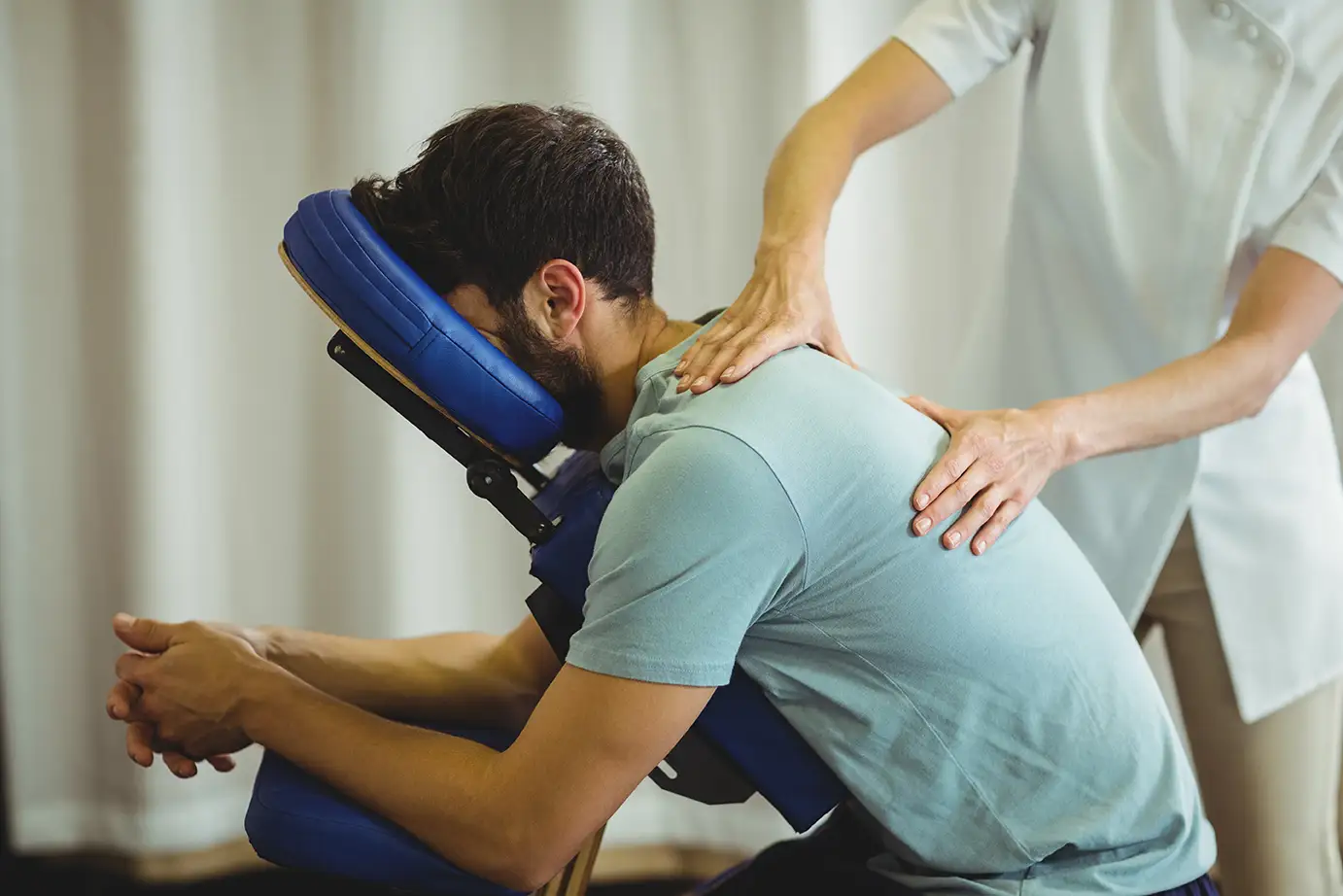
Physical therapy is a cornerstone of modern rehabilitation, performance optimization, and long-term musculoskeletal health. In an era where sedentary lifestyles, repetitive strain, and athletic demands are increasingly common, structured physical therapy provides a science-backed path to restoring movement, reducing pain, and preventing recurring injuries. Rather than masking symptoms, comprehensive rehabilitation focuses on correcting dysfunction at its source.
At Control Physical Therapy, treatment programs are built on clinical precision, movement science, and measurable progress. Every physical therapy plan is designed to address biomechanical imbalances, mobility limitations, and neuromuscular inefficiencies that often contribute to chronic discomfort. The result is not temporary relief but sustainable recovery.
The Modern Approach to Physical Therapy
The field of physical therapy has evolved far beyond passive modalities and rest-based protocols. Today’s evidence-driven model emphasizes active participation, functional restoration, and long-term resilience.
Modern physical therapy integrates:
- Comprehensive movement assessments
- Manual therapy techniques
- Corrective exercise strategies
- Strength and conditioning principles
- Neuromuscular re-education
- Functional performance training
This multi-dimensional approach addresses the body as an interconnected system. Joint restrictions can influence muscular compensation patterns, and muscular weakness can alter joint mechanics. Physical therapy evaluates these relationships to restore balance and efficiency.
Active rehabilitation encourages tissue remodeling, strengthens connective structures, and improves circulation critical components of optimal healing.
Understanding the Root Cause of Pain
Pain is often a signal of underlying dysfunction rather than an isolated problem. Poor posture, repetitive occupational strain, athletic overuse, or improper lifting mechanics can gradually create movement compensations. Over time, these imbalances increase stress on specific joints or muscle groups.
A structured physical therapy evaluation identifies:
- Postural deviations
- Muscle activation imbalances
- Limited joint mobility
- Asymmetrical strength patterns
- Faulty movement mechanics
Correcting these foundational issues reduces stress on vulnerable tissues and prevents future flare-ups. Instead of focusing solely on where pain appears, physical therapy investigates why it developed in the first place.
Physical Therapy for Common Musculoskeletal Conditions
Comprehensive physical therapy programs effectively treat a wide range of conditions, including both acute injuries and chronic dysfunction.
Lower Back Pain
Core instability, prolonged sitting, and spinal mobility restrictions are common contributors. Stabilization exercises combined with manual therapy help restore alignment and muscular support.
Neck and Shoulder Tension
Forward head posture and repetitive screen use often lead to tightness and weakness patterns. Targeted strengthening and mobility work improve posture and reduce strain.
Sports-Related Injuries
Sprains, strains, ligament tears, and overuse conditions require progressive rehabilitation. Gradual loading and neuromuscular retraining rebuild tissue strength safely.
Post-Surgical Recovery
Following orthopedic procedures, guided physical therapy accelerates range-of-motion gains and muscular restoration, reducing stiffness and scar tissue restrictions.
Knee and Hip Dysfunction
Imbalances in lower extremity mechanics can increase joint stress. Strengthening the hips, improving ankle mobility, and refining gait patterns are key components of recovery.
Each program is tailored to match lifestyle demands, athletic goals, and individual healing timelines.
The Role of Manual Therapy in Recovery
Hands-on techniques remain an essential element of effective physical therapy. Manual therapy enhances the benefits of exercise by addressing soft tissue restrictions and joint limitations directly.
Common techniques include:
- Soft tissue mobilization
- Joint mobilization and manipulation
- Myofascial release
- Assisted stretching
- Trigger point therapy
These interventions improve circulation, reduce muscle tension, and enhance joint range of motion. When combined with active rehabilitation, manual therapy supports faster and more efficient recovery.
The Science of Progressive Loading
Healing tissues require appropriate stress to remodel and strengthen. Too little movement can cause stiffness and weakness, while excessive strain may delay recovery. Physical therapy applies the principle of progressive loading—gradually increasing demand as tissues adapt.
This evidence-based method:
- Stimulates collagen alignment
- Improves tendon resilience
- Enhances muscular endurance
- Reinforces joint stability
- Builds long-term structural integrity
Structured progression ensures safety while optimizing results.
Preventative Physical Therapy and Injury Reduction
Physical therapy extends beyond rehabilitation. Proactive assessment can identify vulnerabilities before pain develops. Preventative care is especially valuable for athletes, active professionals, and individuals returning to high-demand activities.
Preventative strategies include:
- Movement screening evaluations
- Core and hip stabilization training
- Balance and proprioception drills
- Flexibility optimization
- Strength symmetry development
Improving movement efficiency reduces cumulative stress and extends performance longevity.
Physical Therapy and Athletic Performance
Performance-based physical therapy blends rehabilitation with sports science. For athletes, returning to play requires more than symptom resolution it requires strength, power, and dynamic control.
Performance-focused programs incorporate:
- Plyometric progression
- Agility drills
- Sprint mechanics refinement
- Explosive strength training
- Endurance conditioning
Neuromuscular coordination and reaction time are retrained to ensure safe reintegration into competition. This structured return-to-sport process lowers reinjury risk and supports peak performance.
Personalized Care and Measurable Outcomes
No two bodies respond identically to injury or training. Effective physical therapy prioritizes personalization and measurable benchmarks.
A high-quality program includes:
- Comprehensive initial assessment
- Goal-oriented treatment planning
- Regular re-evaluation
- Data-driven strength testing
- Functional movement analysis
Tracking objective metrics builds accountability and confidence throughout the recovery journey.
Education as a Cornerstone of Physical Therapy
Long-term success depends on patient understanding. Education empowers individuals to maintain progress beyond the clinic.
Key educational components include:
- Proper lifting techniques
- Ergonomic recommendations
- Home exercise guidance
- Recovery optimization strategies
- Load management principles
By understanding movement patterns and injury triggers, individuals take an active role in protecting their physical health.
Why Expertise Matters in Physical Therapy
Clinical excellence requires experience, evidence-based methodology, and ongoing professional development. Skilled practitioners integrate current research with hands-on assessment to create effective treatment plans.
Control Physical Therapy emphasizes:
- Research-informed protocols
- Functional goal alignment
- Ethical, transparent care
- Continuous skill advancement
- Patient-centered communication
Trust is built through measurable results, clear progress tracking, and consistent support.
Long-Term Wellness Through Physical Therapy
Sustainable recovery is not defined by the absence of pain alone. It is characterized by restored mobility, muscular balance, and resilience under physical stress. Physical therapy creates a foundation for lifelong movement quality.
With consistent application of corrective exercise, strength development, and movement refinement, individuals experience:
- Increased confidence in daily activities
- Reduced recurrence of injury
- Improved posture and balance
- Greater overall functional capacity
Rehabilitation becomes a stepping stone toward optimal performance and wellness.
Conclusion
Strategic physical therapy transforms injury recovery into an opportunity for long-term strength and resilience. By addressing root causes, applying progressive loading principles, and emphasizing personalized care, lasting improvement becomes achievable.
Control Physical Therapy delivers comprehensive, evidence-based physical therapy solutions tailored to individual goals and functional demands. Sustainable recovery begins with expert assessment and guided rehabilitation. Taking action today can lead to stronger movement, enhanced performance, and enduring physical confidence.





Leave a Reply