

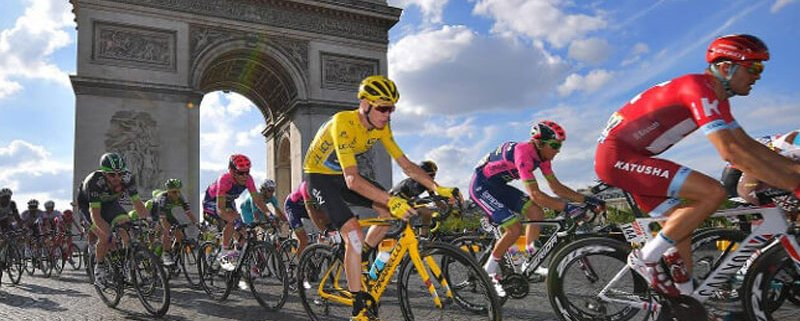
The Tour de France is one of the most famous and challenging cycling races in the world. It brings together the best cyclists, breathtaking landscapes, and incredible stories of determination and skill. For many people, both professional cyclists and hobbyists, the Tour is not just a race—it is a source of inspiration. Understanding the Tour de France history helps fans appreciate the sport more deeply and motivates them to push their limits on their own bicycles.
The Origins of the Tour de France
The Tour de France began in 1903, organized to boost the sales of a French newspaper. At that time, it was a bold idea to have a race that covered thousands of kilometers across France. Early races were extremely tough, with riders cycling long distances on rough roads and limited support. Learning about the Tour de France history shows how the race started as a test of human endurance and how it evolved into a global sporting event. The challenges faced by the first cyclists continue to inspire enthusiasts to train harder and value the effort required in cycling.
Legendary Cyclists and Their Achievements
Tour de France history is filled with legendary cyclists who have achieved remarkable feats. Names like Eddy Merckx, Bernard Hinault, and Miguel Indurain are remembered not just for their victories but for their dedication and determination. These athletes became role models for cyclists around the world. Reading their stories encourages fans to dream big, set personal goals, and overcome obstacles. The history of these champions also reminds people that success in cycling requires persistence, strategy, and a love for the sport.
Memorable Moments in the Race
Over the years, the Tour de France has witnessed unforgettable moments that continue to inspire people. Dramatic mountain climbs, surprising victories, and intense sprints have created stories that are passed down through generations. These moments are a key part of Tour de France history and show how every race is unpredictable and exciting. For cycling enthusiasts, these stories serve as motivation to embrace challenges and find joy in both victories and struggles on their own rides.
Evolution of Cycling Technology
Tour de France history is also a story of progress in cycling technology. From heavy steel bicycles to modern carbon fiber machines, the equipment used in the race has improved greatly. Innovations in gear, nutrition, and training techniques have made cycling safer and more efficient. For cycling fans, learning about these advancements shows how the sport has grown and how they can use technology to improve their own cycling experience. The history of these changes adds another layer of appreciation for the sport and inspires enthusiasts to keep learning and experimenting.
Cultural Impact of the Tour
The Tour de France is not only a sporting event but also a cultural phenomenon. It highlights the beauty of France, connects different regions, and attracts millions of viewers worldwide. Understanding Tour de France history allows fans to see how the race has influenced culture, tourism, and even community life. This cultural significance inspires people to see cycling not just as a sport but as a way to explore, connect, and celebrate life.
Conclusion
Tour de France history is more than a record of winners and races; it is a source of inspiration for cyclists around the world. The stories of early pioneers, legendary champions, memorable moments, technological advances, and cultural impact all motivate enthusiasts to ride, challenge themselves, and enjoy the journey. By learning about the Tour de France and its rich history, cycling fans can appreciate the sport’s depth and feel inspired to keep pedaling toward their own goals. The Tour continues to show that with determination, passion, and perseverance, anything is possible in cycling and in life.







Leave a Reply